
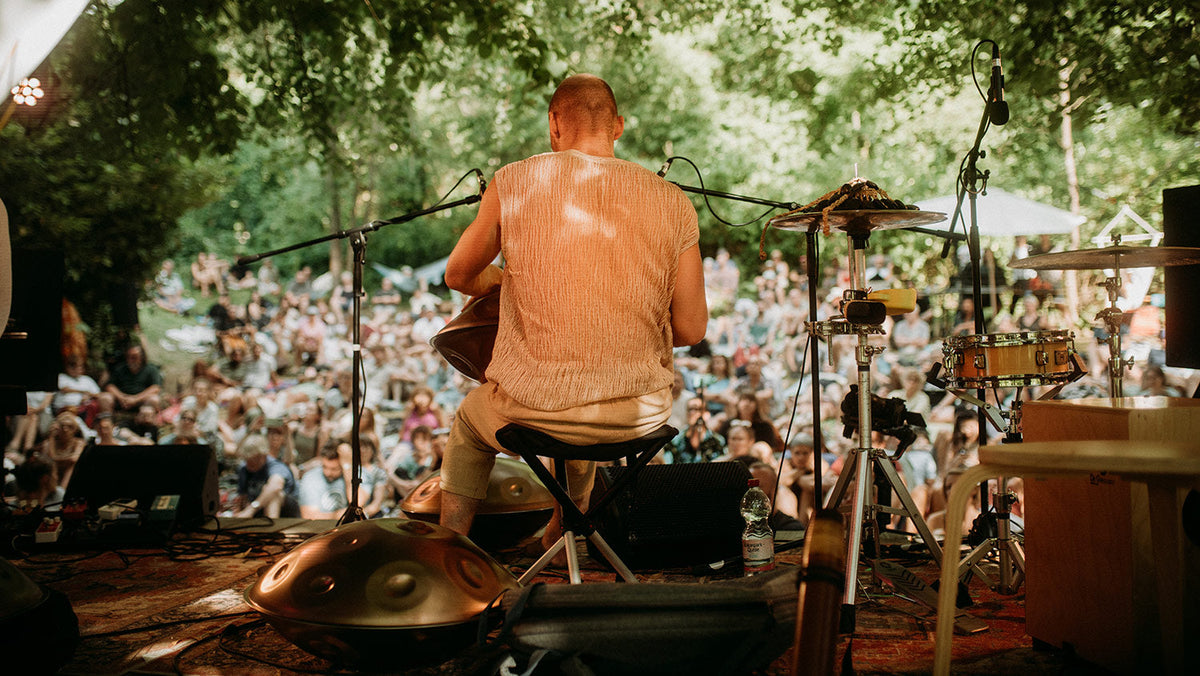
Handpan musicians: 10 artists redefining the instrument
Discover 10 handpan musicians pushing the boundaries of this remarkable instrument, from viral pioneers to UK street performers shaping the modern scene!

Table of contents
There is something immediately arresting about hearing a handpan played live. From its early 21st-century Swiss origins as a street curiosity to its current presence at major global music festivals and wellness events, the instrument has travelled a long way. Once rare and little understood, it is now a fixture on concert stages worldwide. That shift was shaped by a generation of dedicated handpan musicians who stretched what the steel shell could do. The following 10 recommended handpan artists have been chosen because each represents a completely distinct creative direction, illustrating the profound stylistic breadth of the modern handpan world.
Why the handpan attracts such distinctive performers
Unlike a piano, guitar, or standard orchestral instrument, the handpan forces an artist to operate within an incredibly strict set of physical and sonic constraints. Every individual instrument is manufactured with a single, fixed musical scale, meaning a player cannot simply shift keys or access chromatic notes on the fly. Furthermore, because it is an entirely hand-played instrument, the musician must balance precise percussive touch with the management of a highly complex, overtone-rich sound architecture.
Those constraints, far from blocking creativity, press each player to develop their own touch, timing, and compositional voice. The tension between a locked scale and open expression is precisely what makes every handpan player sound different. It also explains why the community has grown so fast. In the United Kingdom alone, the scene has witnessed an explosive boom, with search interest regarding top handpan musicians growing by roughly 400% since 2016.
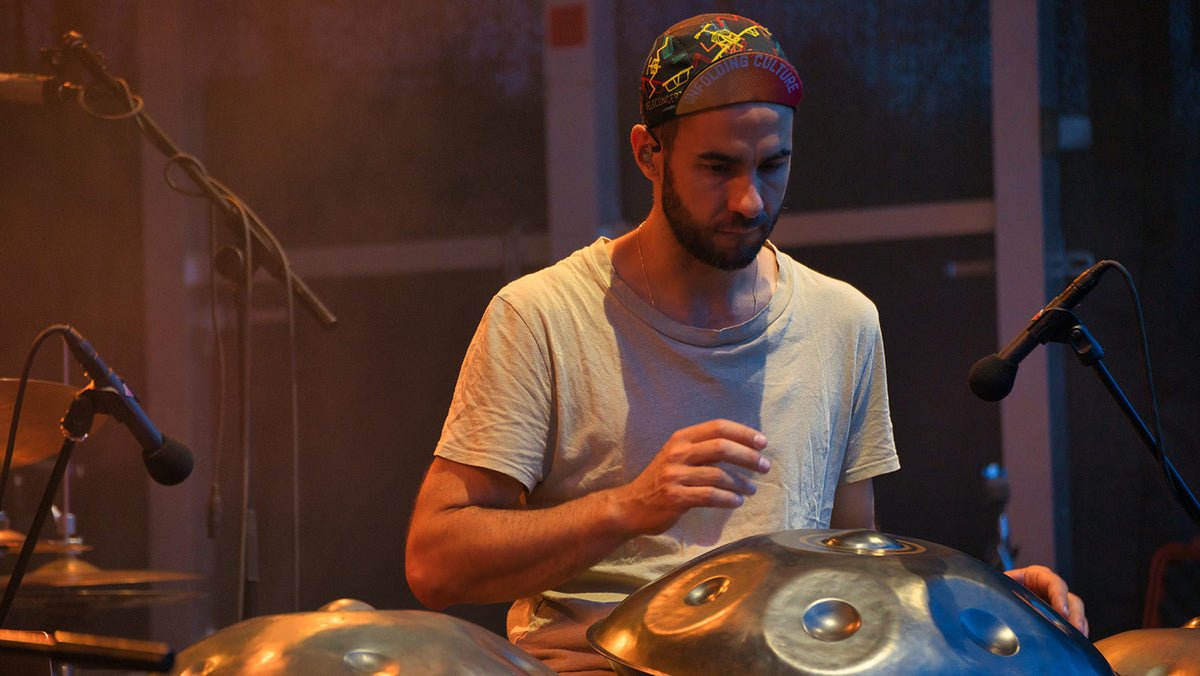
Manu Delago: the percussionist who took the handpan to the concert hall
When exploring the work of handpan legends, Austrian-born percussionist and composer Manu Delago stands as a towering figure of technical rigour and artistic legitimacy. Armed with a deep background in classical percussion and jazz composition, Delago single-handedly bridged the gap between raw street busking and prestigious global institutions. He successfully legitimised the handpan as a serious crossover instrument worthy of the world's finest acoustic spaces.
His composition Mono Desire (YouTube - Spotify) drew attention well beyond the handpan community, leading to touring collaborations with Björk and performances with the Metropole Orkestra. Placed inside orchestral arrangements and electronic textures, the instrument held its own against full ensembles. Delago's precise, disciplined approach remains a reference point for players who want to bring formal rigour to the steel.
Hang Massive: the duo who made the handpan go viral
If Manu Delago conquered the traditional concert hall, the international duo Hang Massive completely conquered the digital landscape, introducing the instrument to hundreds of millions of listeners worldwide. Composed of Danny Cudd and Markus Offbeat, the duo represents a monumental milestone in the history of handpan music.
In 2011, Hang Massive uploaded a simple, beautifully shot video of themselves playing an intricate, upbeat dual-handpan piece in a garden. The video accumulated tens of millions of views almost overnight, serving as the definitive introduction to the instrument for a global audience. Their musical style blends flowing, accessible melodic hooks with electronic production values, profoundly shaping both the international festival circuit and the global ambient music scene. Hang Massive proved that the handpan could serve as the rhythmic heartbeat of electronic dance acts, large festival stages, and deeply immersive ambient soundscapes alike.
Daniel Waples: the London street performer turned global ambassador
Daniel Waples was playing the handpan on London streets long before most people knew what it was. A regular at the city's busking spots, he reached millions of commuters simply through live play, building a following without a record deal or a press campaign.
Waples’s approach to the handpan focuses intensely on a meditative, highly spiritual solo style. His playing highlights the naturally soothing, therapeutic qualities of the instrument’s rich harmonic overtones. Rather than pursuing technical speed for its own sake, his compositions utilize space, resonance, and breath, making his work deeply popular among mindfulness practitioners. Beyond his solo performances, Waples has been instrumental in building and nurturing the handpan community from the ground up. Through his tireless international travels, grassroots workshops, and accessible online educational content, he has inspired countless beginners to pick up their first pan and discover its therapeutic benefits.
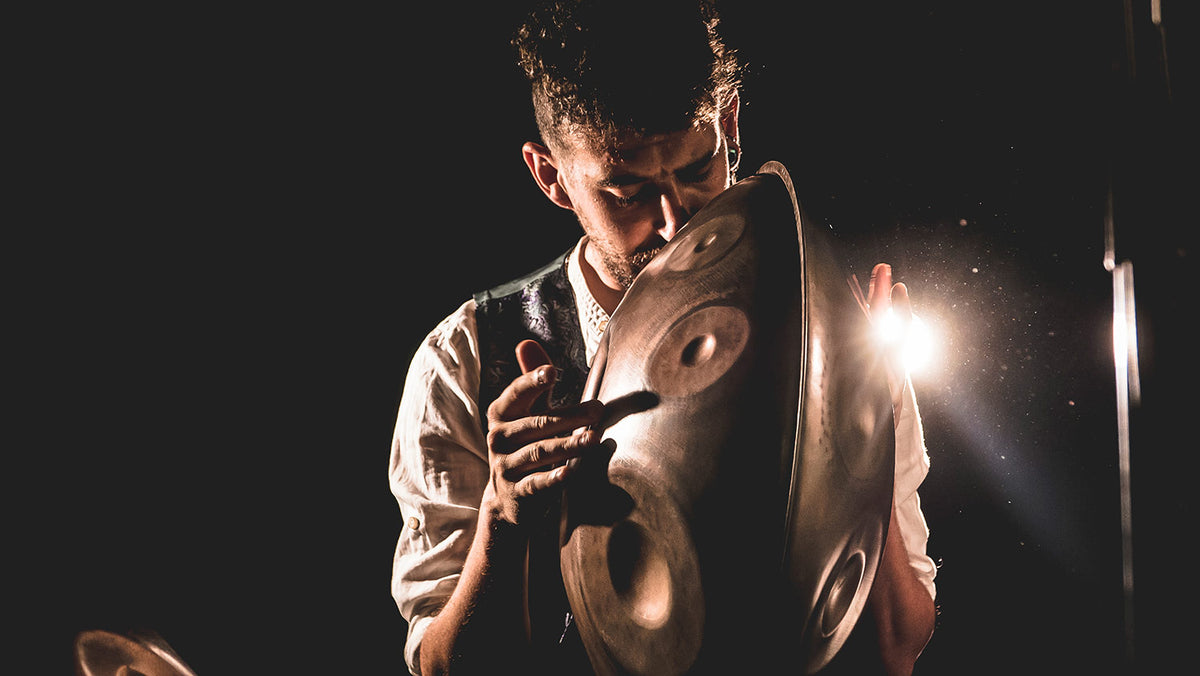
Kabeção: the innovator redefining percussive technique
Portuguese multi-instrumentalist Kabeção is universally celebrated within the handpan community as a radical technical innovator who completely rewrote the physical rulebook of how the handpan is played. Emerging with a deep background in traditional drumming and frame percussion, Kabeção looked at the steel surface not just as a melodic keyboard, but as a complex, multi-tonal drum kit.
Kabeção’s playing seamlessly blends rich Brazilian rhythmic influences with groundbreaking independence techniques. He utilizes his fingers, palms, knuckles, and thumbs to isolate bass notes, slap rhythms, and ring out soaring melodies simultaneously. This expansion of handpan technique beyond simple linear melodies into mind-bending polyrhythmic playing has made his work a vital reference point for musicians coming from traditional drum backgrounds. He showed the world that a single handpan could sound like an entire acoustic ensemble playing in perfect, intricate unison.
Yuki Koshimoto: the melodic minimalist bridging East and West
As one of the most prominent women handpan players on the international circuit, Yuki Koshimoto brings an elegant, minimalist aesthetic to the instrument. Her fascinating Japan-to-UK artistic journey has allowed her to forge a unique musical style that seamlessly bridges Eastern tonal sensibilities with Western performance formats.
Koshimoto’s live performances are characterised by the masterful integration of loop pedals and subtle electronic spacing. By layering delicate, sparse melodic lines on top of one another, she creates immersive, cinematic soundscapes that build with hypnotic patience. Her notable appearances at the Edinburgh Fringe Festival helped cement her reputation as a captivating live performer capable of holding large, diverse theatre audiences spellbound. Koshimoto's deliberate focus on clean minimalism, spacious arrangements, and deep sonic clarity resonates deeply with wellness audiences, yoga practitioners, and ambient music enthusiasts alike.
David Charrier: the educator bringing rigour to handpan music
French musician David Charrier is unusual in the handpan world: a technically precise performer who has also spent years building a structured teaching system around the instrument. While most early players learned by ear, Charrier saw that a more formalised approach was needed for the handpan to develop as a serious discipline.
Through his presence at prominent UK retreats, international masterclasses, and prestigious European concert halls, Charrier has methodically formalised handpan teaching. He broke down complex rhythmic groupings, hand-to-hand independence, and dynamic control into repeatable, clear modules. This deep commitment to accessible, structured learning directly parallels our own mission here at Sound-Sculpture. We believe that learning an instrument shouldn't feel intimidating, which is why we model our structured handpan workshops and tailored individual lessons after the same rigorous, supportive educational principles championed by pioneers like Charrier.
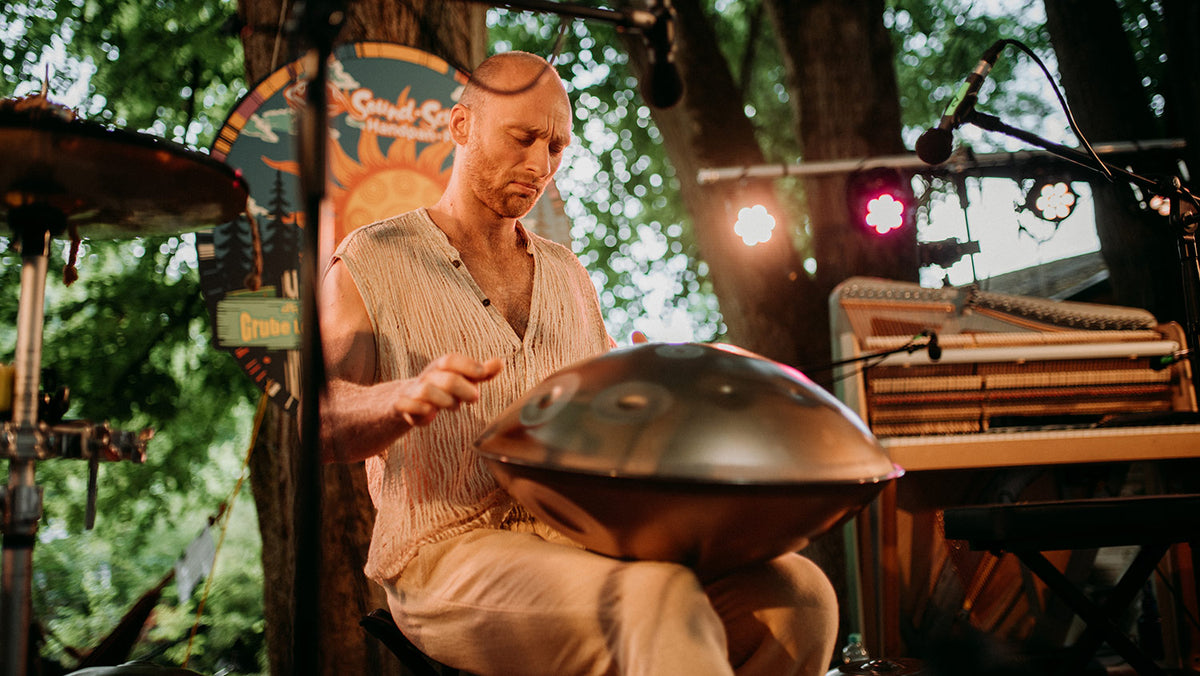
Malte Marten: the online influencer shaping how beginners discover the instrument
In the modern digital era, German handpan music player Malte Marten has emerged as one of the most visible and influential figures shaping how the next generation discovers the instrument. Utilising social media platforms, high-definition YouTube videos, and streaming channels, Marten has successfully demystified the handpan for millions of casual listeners.
Marten plays in a relaxed, open style, and his instructional videos follow the same logic: less music theory, more emphasis on the feeling of playing steel. For many beginners, his content is the first thing they find, and his low-barrier approach makes that first encounter a welcoming one.
Three emerging global handpan musicians worth watching
While the first-generation pioneers built the foundations of the handpan scene, a brilliant new wave of international artists is completely rewriting what is possible with the instrument. If you want to see how the global handpan landscape is evolving beyond traditional ambient sounds, the following three real-world independent musicians are essential additions to your playlist.
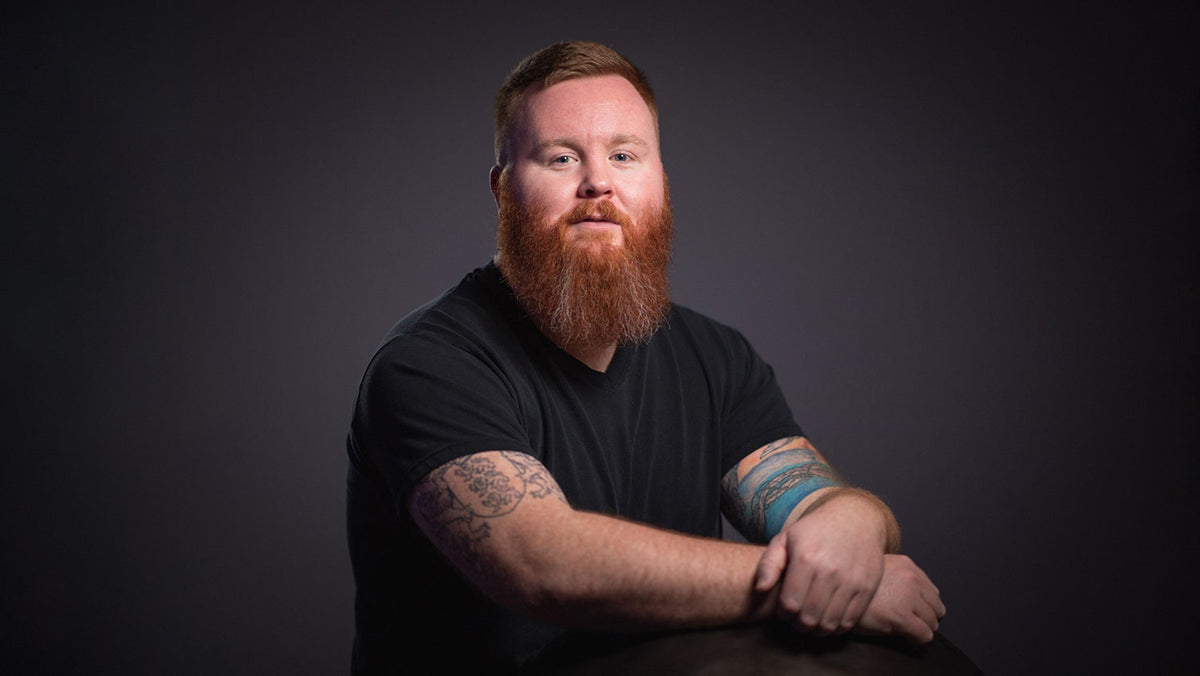
Dan Mulqueen (United States)
Hailing from the USA, Dan Mulqueen has earned widespread global respect in the modern community for his intensely percussive, aggressive, and highly rhythmic approach to the steel drum. Rather than keeping the handpan strictly in the realm of soft meditation music, Mulqueen draws heavily from his background as a traditional drummer. He seamlessly infuses his tracks with back-beat heavy hip-hop, rock, and electronic influences. His complex syncopation and punchy execution show a younger generation of players that the handpan can function as a dynamic, driving lead instrument in modern urban music.
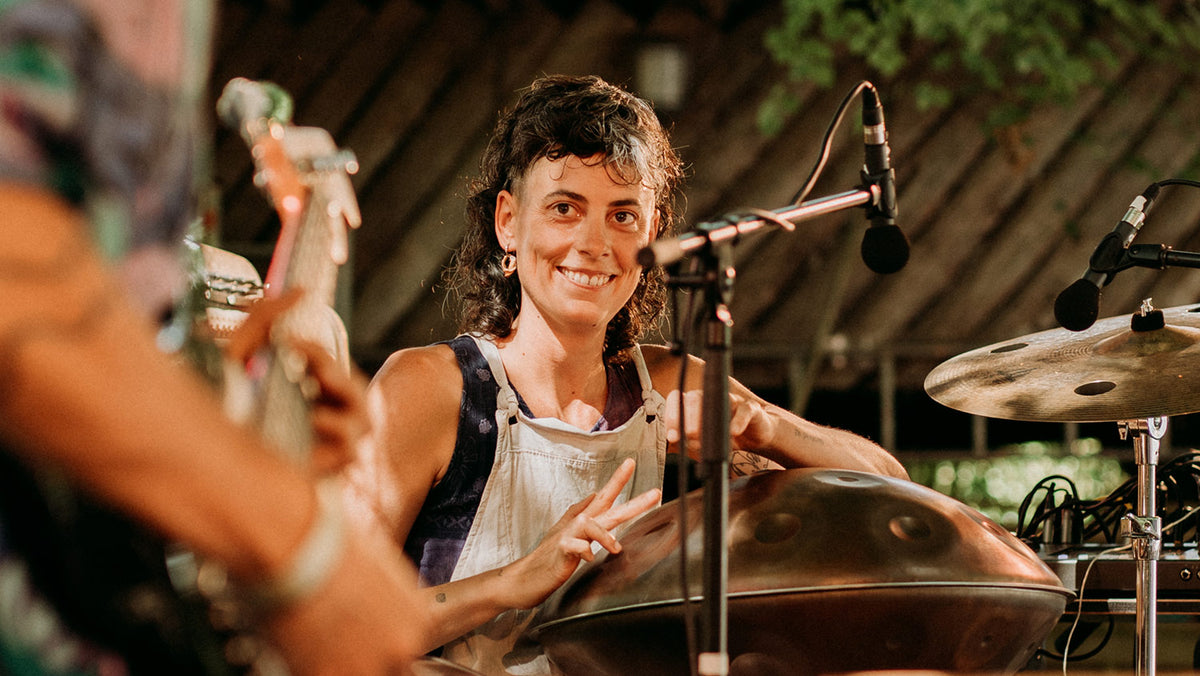
Mar Loi (Spain)
Based in Europe, Mar Loi is a phenomenal composer and handpan artist known for breaking the acoustic boundaries of the instrument. Since dedicating her life entirely to the handpan, she has become a leading voice in blending organic steel melodies with modern synthesizers, electronic soundscapes, and deep live bass. Her collaborative live projects offer a deeply emotive, avant-garde cinematic experience. She serves as a perfect example of how contemporary artists use live-looping and electronic production to elevate the handpan into a multi-layered sensory performance.
Quentin Kayser (France)
Quentin Kayser is a brilliant French multi-instrumentalist who brings the strict structural elegance of classical composition to the handpan universe. Having trained extensively in classical piano and guitar from a young age, Kayser transitioned his melodic sensibilities over to the handpan. His compositions are celebrated globally for their symphonic depth, complex modal chord changes, and incredible precise touch. Kayser's work proves that the handpan can carry the same emotional and harmonic weight as a grand piano, making his music a massive inspiration for players seeking a lyrical, deeply melodic path.
What these musicians reveal about the range of handpan scales and styles
The music the handpan makes today bears little resemblance to what people first heard from it. It was not designed that way. It was shaped, slowly, by individual musicians who brought their own backgrounds, frustrations, and ideas to the steel and refused to leave it where they found it.
Consider how the instrument’s identity shifted when traditional drum and frame percussion masters like Kabeção and Dan Mulqueen first laid hands on a pan. They refused to let the instrument remain a passive, floating ambient drone. Their percussive vision injected heavy syncopation, ghost notes, and aggressive polyrhythmic drive into the community, proving that the handpan could groove just as hard as a full drum kit.
Conversely, classically trained minds like Manu Delago and Quentin Kayser looked at the instrument through a symphonic lens. They demanded harmonic precision, intricate counter-melodies, and a level of compositional rigour that dragged the handpan out of underground street circles and forced the classical world to treat it with academic respect.
Whatever a player's vision, it has to pass through one fixed constraint: the scale. The arrangement of notes welded into a specific instrument is not just a technical detail. It shapes the rhythm, mood, and range of everything played on it.
A player chasing fast, contemporary rhythm will naturally find their voice through a punchy C Minor Hexatonic, while an artist dedicated to spacious, deep sound healing will gravitate toward the mystical air of an E2 Pygmy. Meanwhile, those looking for maximum versatility to weave complex, cinematic stories will almost always lean into a classic D-Kurd Minor. In this community, your scale configuration dictates the emotional vocabulary of your tool. If you want to understand how these different note layouts define a performer's creative boundaries and how to choose the right one for your own journey, explore our complete guide to handpan scales!
How to find your own path as a handpan musician
If listening to these world-class performers has sparked a creative flame inside you, it is easy to feel overwhelmed by the technicalities of taking your very first step. You might wonder how to find the right scale, how to develop a clean touch, or how to avoid making an expensive purchasing mistake.
Remember: every great handpan music player started exactly where you are standing right now: captivated by a sound and eager to learn!
At Sound-Sculpture, we have designed a low-risk, highly supportive entry path to help you confidently find your own voice as a handpan player. You do not need to invest thousands of pounds upfront to begin your musical journey.
Our flexible rent-to-buy programme offers the perfect, risk-free way to bring the instrument into your daily life. You can rent a professional-grade handpan to practice with at home, and if you fall in love with it, 100% of your accumulated rental fees are fully deducted from the final purchase price. It is the ultimate way to step into the language of steel with complete peace of mind.
Any questions? We’re here to help you: contact us!
Frequently Asked Questions about handpan musicians
German artist Malte Marten is currently the most followed handpan player in the world, leading the modern digital scene with over 1.5 million subscribers on YouTube and over 1.5 million followers on Instagram. Close behind is the iconic international duo Hang Massive, whose breakout 2011 video "Once Again" racked up over 60 million views, making them the original viral pioneers who introduced the instrument to a global streaming audience. While other artists focus on traditional concert halls, Malte Marten and Hang Massive dominate social media and digital platforms as the defining online voices of handpan music.
Top handpan musicians perform across an incredibly wide variety of professional settings. You can regularly find them headlining major European concert halls, playing renowned music festivals like WOMAD or Handpan Festival. Additionally, street busking spots across major cities remain a vital venue for live play.

About the author

Founder and managing director of Sound-Sculpture, handpan expert
Related articles
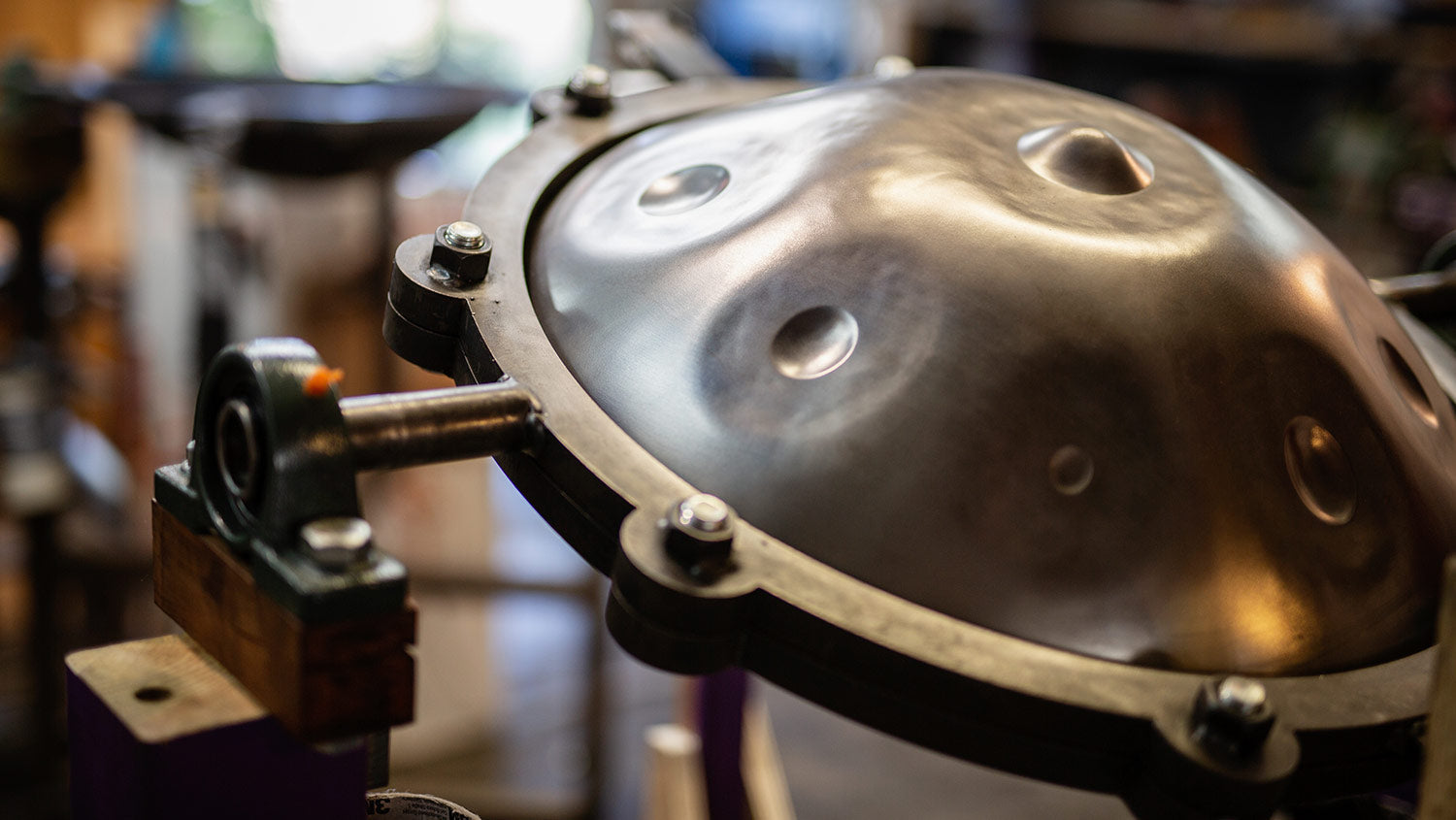
Handpan tuning: how does it work?
Discover how a handpan is tuned: expert techniques, high quality tools and all you need to understand how your instrument has been built or can be restored!
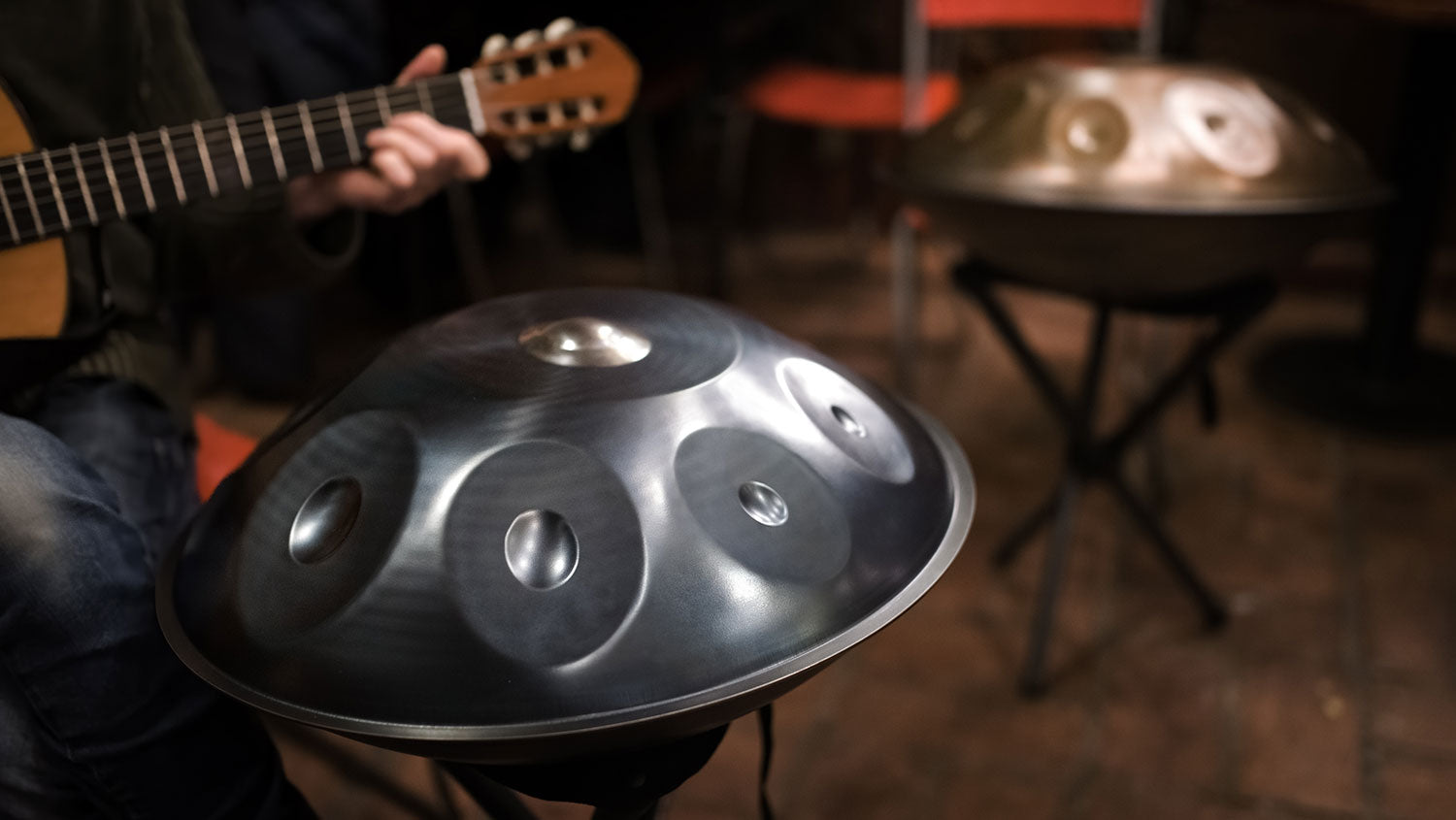
Letter notation vs Solfege: a guide for the modern music
Confused by Do-Re-Mi vs A-B-C? Discover the differences between solfege and letters, their history, and why handpan players prefer one over the other.
Major scale vs minor scale: the complete beginner's guide
A guide for beginners on major scale vs minor scale: learn how their patterns work and which one suits your handpan playing style.
How to clean a handpan: the complete step-by-step guide
Learn how to clean handpan safely with simple steps, the right oil, rust prevention tips and expert care advice to protect its sound and finish.