

Discover the origin and cultural journey of the handpan
Explore the origins, cultural significance, and evolution of the handpan. Dive into its fascinating journey around the world.

Table of contents
The handpan, with its captivating, ethereal tones and futuristic aesthetic, has emerged as one of the most intriguing and rapidly growing musical instruments of the 21st century.
Often described as a singing steel drum or a UFO drum, its unique soundscape evokes feelings of calm, wonder, and deep introspection. This percussive marvel, played primarily with the hands and fingers, produces harmonic resonance that transcends conventional musical boundaries, enchanting listeners and musicians alike across the globe. Its rise to prominence, however, is a relatively recent phenomenon, shrouded in a fascinating history that blends innovation, cultural borrowing, and a vibrant community spirit.
This article delves into the enigmatic origins of the handpan, tracing its lineage, exploring its profound cultural significance, and charting its impressive evolution into a global musical phenomenon.
The mysterious origins of the handpan
The story of the handpan doesn't begin in an ancient civilization or a long-lost tradition, but rather in a modern workshop in the heart of Switzerland. Its creation is attributed to the ingenious minds of Sabina Schärer and Felix Rohner, founders of the company PANart in Bern. In the year 2000, they unveiled their groundbreaking invention: the Hang®. This seminal instrument laid the foundation for what we now commonly refer to as the handpan. The name Hang itself is derived from the Bernese German word for "hand", aptly reflecting how the instrument is played.
The genesis of the Hang® was a direct result of PANart’s extensive research and development in steel instrument crafting, particularly their deep fascination with the Caribbean steel pan. Rohner and Schärer spent years studying the intricate acoustical properties of resonant steel, experimenting with various shapes, tempering processes, and tuning techniques. Their vision was to create a percussion instrument that was not only expressive and melodic but also accessible and intuitive for anyone to play.
Inspiration from the Steel Pan
To truly understand the handpan's birth, one must look across the Atlantic to the vibrant musical traditions of Trinidad and Tobago, the birthplace of the steel pan. This iconic instrument, forged from discarded oil drums, began its journey in the mid-20th century, emerging from the resourcefulness and musicality of marginalized communities.
The steel pan's unique method of sound production – creating distinct notes by hammering depressions into tempered steel – provided the fundamental acoustical blueprint for the Hang®.
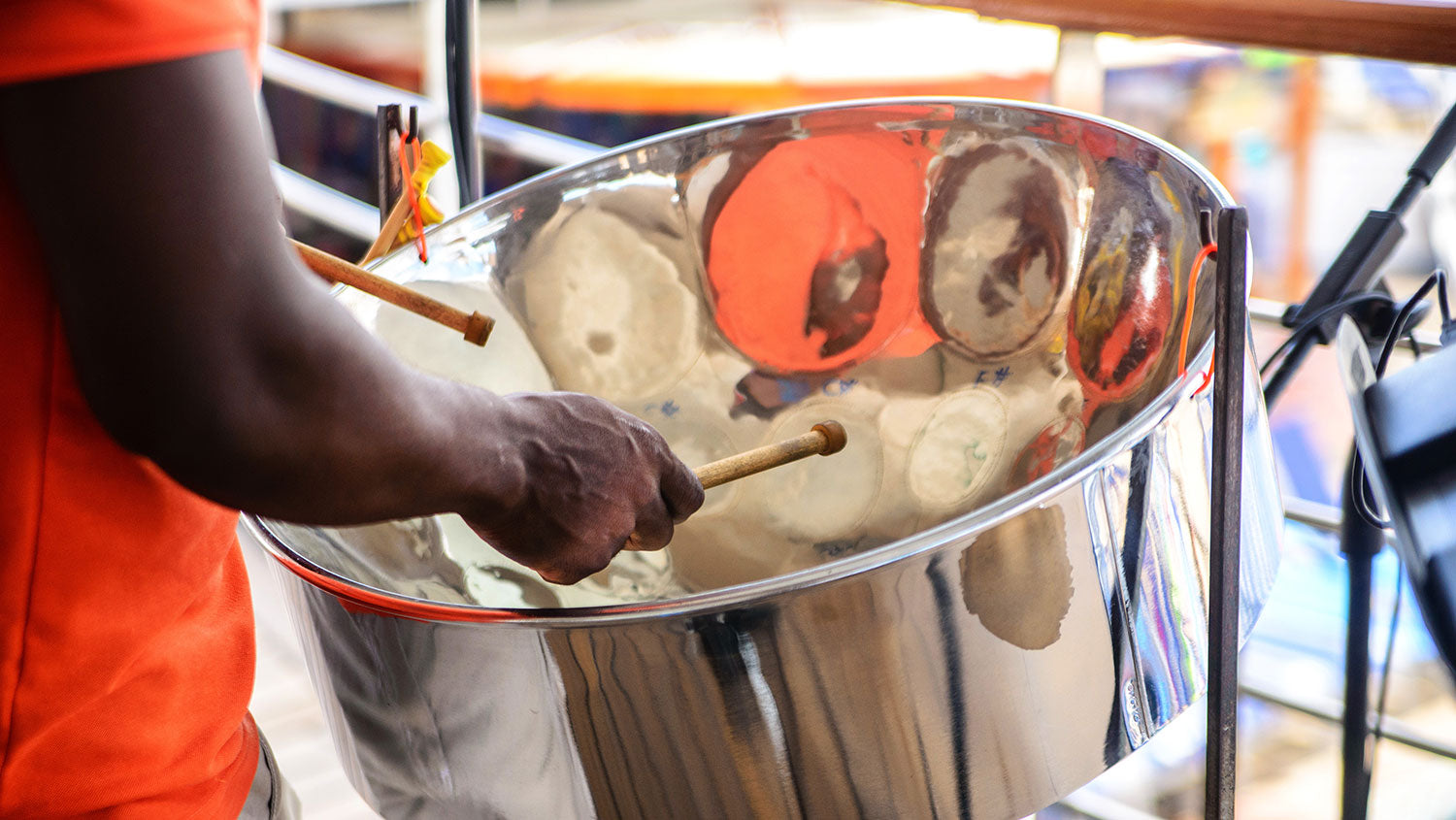
Schärer and Rohner were deeply inspired by the steel pan's ability to produce complex harmonic overtones and its inherent melodic capabilities. They adopted the concept of a tuned steel surface, but instead of the convex shape of traditional steel pans, they inverted the design. The Hang® consists of two glued-together half-shells of deep-drawn, nitrided steel sheet. The top shell (Ding side) has a central note field (the "Ding") and an array of tone fields hammered around it, typically forming a specific musical scale. The bottom shell (Gu side) features a resonant opening and can also contain additional tuned notes. This innovative design, while clearly influenced by the steel pan's principles, diverged significantly in playability, timbre, and overall experience, resulting in a softer, more intimate, and sustained sound.
Find out more about the difference between the Hang® and the handpan.

The transition from Hang® to handpan
The initial public reaction to the Hang® was one of awe and curiosity. Its mesmerizing sound and unique form quickly garnered attention from musicians, sound healers, and spiritual practitioners worldwide. However, PANart maintained strict control over the production and distribution of their invention, viewing it as an artisanal craft rather than a mass-produced item. This exclusivity, coupled with growing demand, inadvertently spurred a new wave of innovation.
As the Hang® became increasingly difficult to acquire, other skilled artisans and metallurgists began to reverse-engineer its principles, experimenting with their own designs and materials. This period, roughly from the mid-2000s onwards, saw the emergence of numerous independent makers. These new instruments, while distinct from the original Hang®, shared its fundamental characteristics and playing style.
To differentiate these new creations from PANart’s proprietary Hang®, the generic term handpan was coined. It became the umbrella term for all steel instruments played by hand that follow the general form and acoustic principles established by the Hang®. Pioneers in this burgeoning field include artisans like Kyle Cox of Pantheon Steel (USA), and Ezahn of Echo Sound Sculptures (CH), among many others, who each contributed to the diversification and refinement of handpan crafting. This organic evolution, driven by both inspiration and necessity, democratized the instrument, making it accessible to a wider global audience and fostering a vibrant community of makers and players.
Cultural Significance of the handpan
Beyond its intriguing origins and innovative design, the handpan has rapidly carved out a significant cultural niche. Its universal resonance stems from its ability to transcend linguistic and cultural barriers, speaking directly to the human spirit through its enchanting vibrations. It’s not just an instrument; for many, it's a tool for connection, introspection, and healing.
Handpan’s role in spirituality
The handpan's deep, resonant tones and sustained harmonies naturally lend themselves to spiritual practices. Its soundscapes are often described as profoundly calming and meditative, making it a favorite for yoga sessions, mindfulness practices, and various forms of spiritual contemplation. The instrument’s ability to create an immersive acoustic environment encourages listeners to slow down, focus on the present moment, and connect with their inner selves. This is typical for a specific category of handpans tuned at 432 Hz, which appears to be a deep universal naturalistic frequency to better connect with the environment.
Its spiritual significance is often compared to ancient resonant instruments like Tibetan singing bowls or gongs, which have been used for centuries in meditation, healing, and ritual. The handpan's gentle yet powerful vibrations are believed to help clear mental clutter, balance energy centers (chakras), and facilitate deeper states of relaxation. Many find that its sound acts as an acoustic anchor, guiding them into a meditative state where stress melts away and clarity emerges. This global spiritual connection speaks to a universal human need for tranquility and inner peace, qualities the handpan embodies beautifully.

Music therapy and emotional wellbeing
The handpan's inherent calming qualities have not gone unnoticed by professionals in the field of music therapy. Its gentle, non-threatening sound makes it an excellent tool for promoting emotional wellbeing and mental health. Therapists utilize the handpan to help clients reduce anxiety, manage stress, alleviate pain, and process emotions in a safe and supportive environment.
The absence of sharp, percussive attacks and the emphasis on sustained, harmonic resonance contribute to its therapeutic efficacy. The instrument's intuitive playability also means that individuals with no prior musical experience can easily create pleasing sounds, fostering a sense of accomplishment and self-expression. Its use in various therapeutic settings, from hospitals and rehabilitation centers to wellness clinics, underscores its potent ability to soothe the mind, relax the body, and foster emotional balance, offering a unique avenue for healing and self-discovery.
The evolution of the handpan
From its humble beginnings as the Hang®, the handpan has undergone a remarkable evolution, transforming from a rare, artisan-crafted item into a globally recognized and beloved instrument. This journey has been propelled by continuous innovation, the tireless dedication of its makers, and the passionate engagement of a vibrant, interconnected community.
Modern adaptations and innovations
The handpan industry is characterized by constant innovation. Early handpans, while groundbreaking, were limited in their material science and tuning precision. Modern adaptations have pushed the boundaries of what's possible, leading to significant advancements in design and craftsmanship.
Makers now experiment with a wider array of steels, including stainless steel, nitrided steel, and proprietary blends like Ember Steel, each offering distinct tonal qualities, sustain, and durability. Tuning techniques have become incredibly sophisticated, allowing for greater precision, stability, and the creation of complex, multi-scale instruments. Innovations include the addition of bottom notes and mutant versions leading to handpans with more than 30 notes on one handpan instead of 8+1 like the Hang®. Furthermore, specialized tempering processes, advanced hammering techniques, and ergonomic designs continue to refine the playing experience and the instrument's acoustic output. The diversity of scales, from traditional minor and major to exotic and custom tunings, reflects a thriving ecosystem of creativity and technological advancement in handpan production.

The handpan community today
Perhaps one of the most significant factors in the handpan's global resurgence and continued evolution is its incredibly active and supportive community. Unlike many traditional instruments with established pedagogical structures, the handpan grew organically through shared passion and collective discovery. This strong community aspect continues to thrive today, forming the backbone of the handpan movement.
Online forums, social media groups, and dedicated websites serve as central hubs for enthusiasts to share knowledge, exchange playing techniques, discuss new instruments, and connect with makers.
Beyond the digital realm, the handpan community comes alive at festivals and gatherings held worldwide. Events like the Handpan Festival (Germany), HangOut UK, and various regional gatherings provide opportunities for players to learn from masters, jam with fellow enthusiasts, and immerse themselves in the unique culture surrounding the instrument. These gatherings foster a sense of belonging, encourage collaborative music-making, and perpetuate the learning and sharing that are so fundamental to the handpan's ethos.
This global network of makers, players, and admirers ensures the handpan's legacy continues to grow, innovate, and enchant for generations to come.
Want to know more about this amazing instrument? Don’t miss our comprehensive handpan guide!

About the author

Founder and managing director of Sound-Sculpture, handpan expert
Related articles
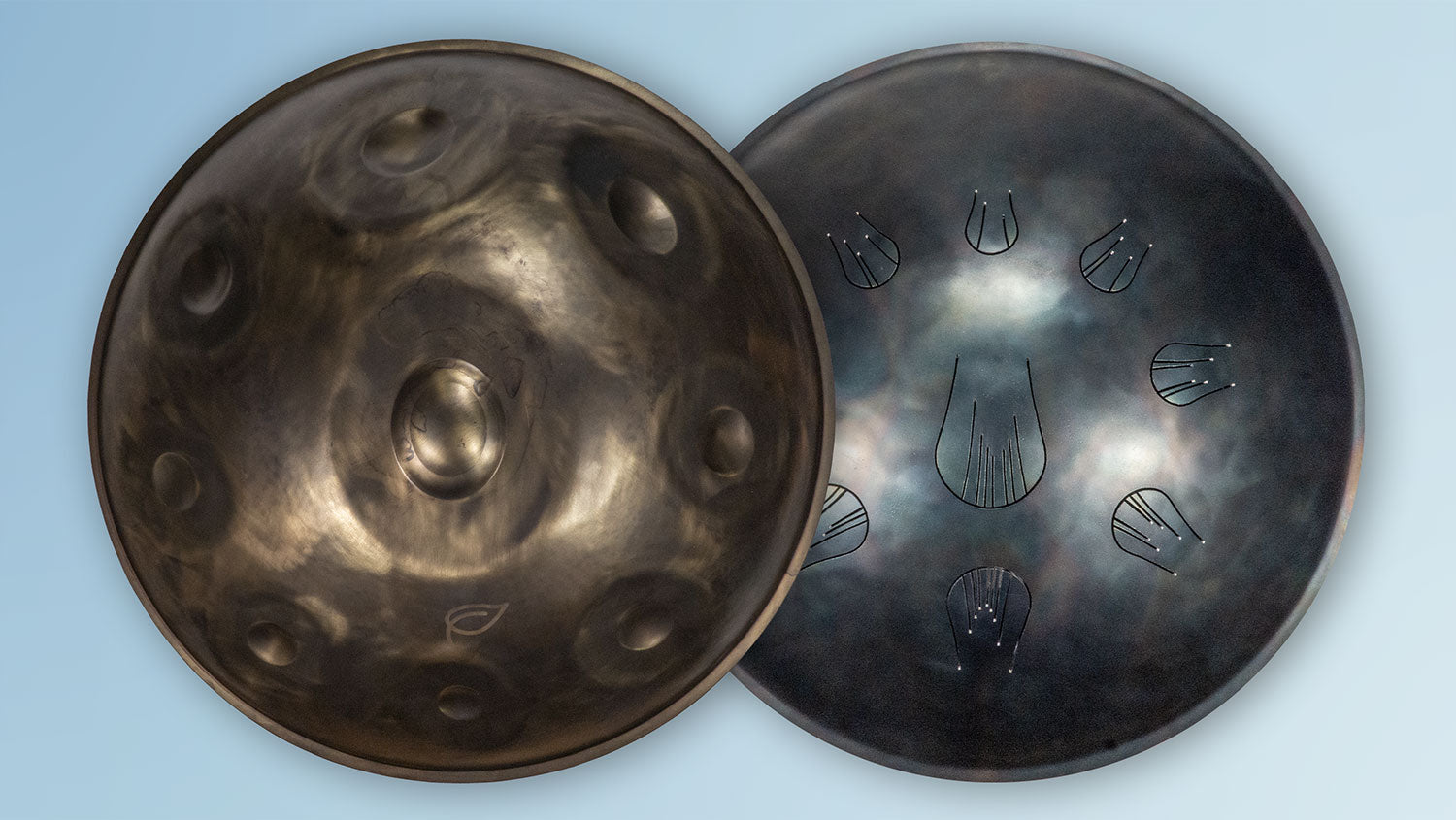
Handpan vs tongue drum: choosing the right instrument
Discover the differences between handpans and steel tongue drums. Find out which is best for you based on sound, cost, and more.

Discover the origin and cultural journey of the handpan
Explore the origins, cultural significance, and evolution of the handpan. Dive into its fascinating journey around the world.
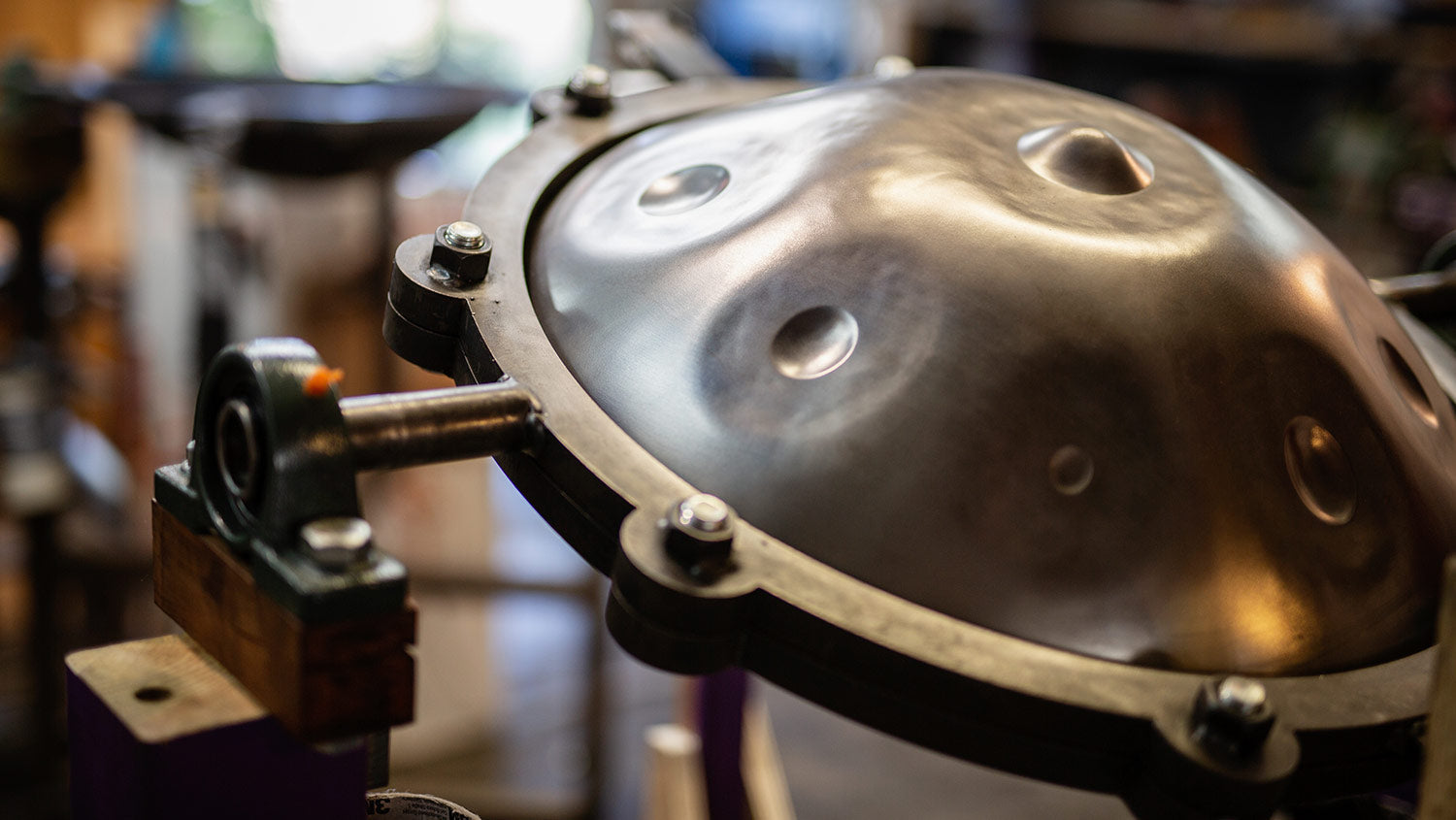
Handpan tuning: how does it work?
Discover how a handpan is tuned: expert techniques, high quality tools and all you need to understand how your instrument has been built or can be restored!

Handpan musicians: 10 artists redefining the instrument
Discover 10 handpan musicians pushing the boundaries of this remarkable instrument, from viral pioneers to UK street performers shaping the modern scene!