
Handpan vs Hang®: exploring the differences
Diving into the handpan world? Discover the differences in sound, history, and craftsmanship of the Hang® and the handpan.

Table of contents
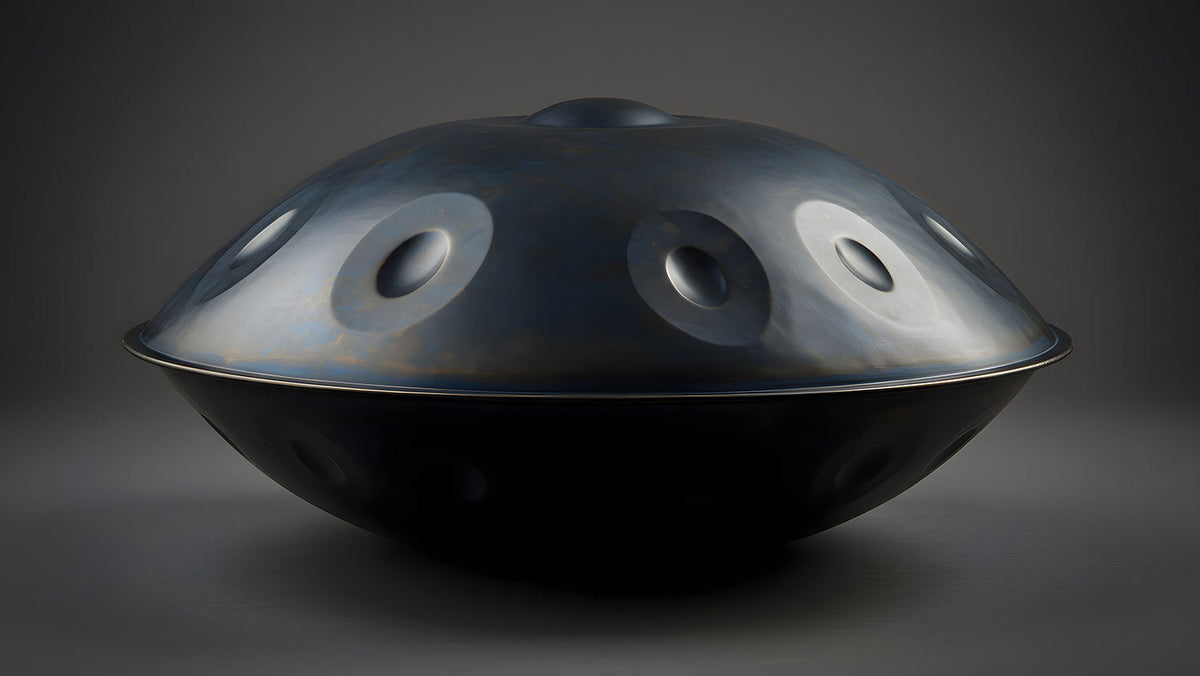
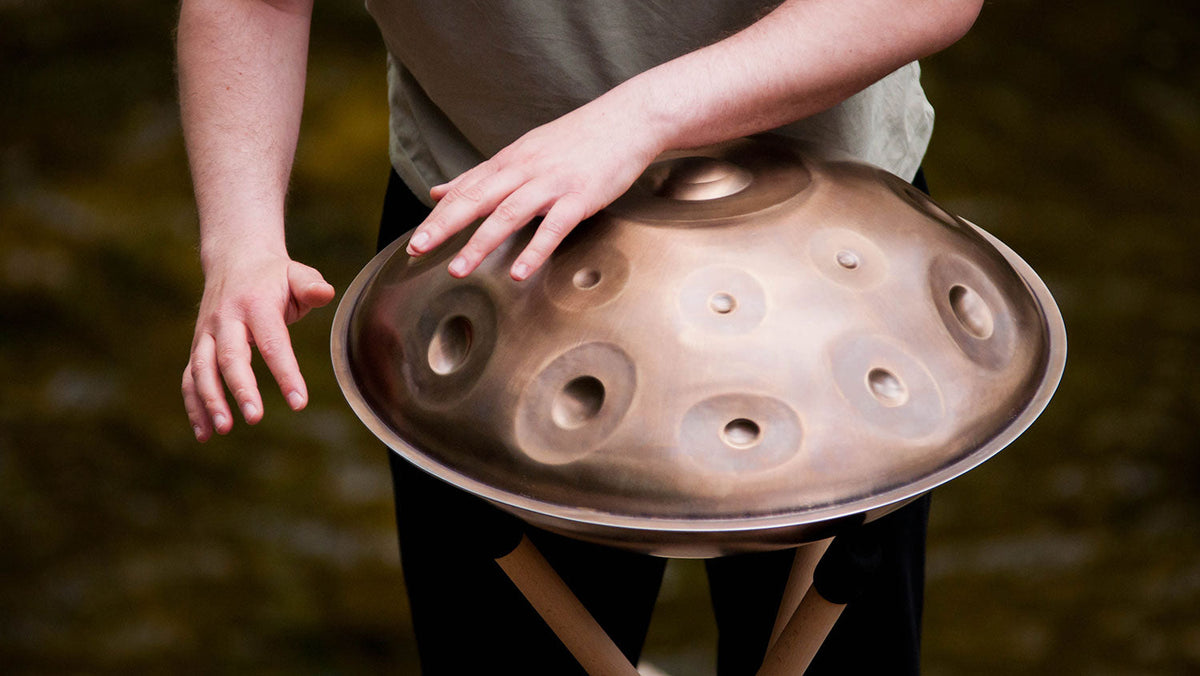
The world of melodic percussion was forever changed in the year 2000 when the Hang® was introduced by the Swiss company PANArt. This mysterious, dome-shaped steel instrument produced a sound so hauntingly beautiful that it sparked a global fascination with “singing steel”. While the Hang® was the pioneer, its immense popularity and limited availability led other makers to develop similar instruments, which eventually became known under the umbrella term handpan.
The primary purpose of both the Hang® and the handpan is to provide a tactile, intuitive musical experience where melody and percussion merge. While the Hang® remains a specific creation of PANArt founders Sabina Schärer and Felix Rohner, the handpan has evolved into a diverse category of instruments crafted by hundreds of makers worldwide. This evolution has led to a vast array of designs, materials and sound qualities. For a deeper look at how this journey began you can dig deeper into the handpan origins.
The terminology discussion
One of the most frequent points of confusion for newcomers is the difference between handpan and hang drum. To understand the landscape, we must first address the naming conventions.
The term Hang® is a registered trademark of PANArt. The founders, Sabina Schärer and Felix Rohner, have often expressed that the Hang® is not a drum, but rather a tuning or a sculpture meant to be played by hand (the word “hang” means "hand" in the Bernese German dialect). They viewed the instrument as a living, breathing acoustic art piece, distinct from the standardized manufacturing of traditional percussion.
Despite the founders' intentions, the public quickly adopted the term "hang drum" due to its percussive nature and the way it is played. This term, while popular online and among casual enthusiasts, is often frowned upon by purists and the creators themselves, who feel it diminishes the melodic and sculptural identity of the work.
As other makers began producing similar instruments - driven by the high demand and PANArt’s limited production -, a generic name was needed to avoid trademark infringement while describing the instrument family. The term handpan emerged as the definitive "umbrella term". Today many people still search for a hang drum vs handpan comparison.
Let’s see what the differences are!
Sound and craftsmanship comparison
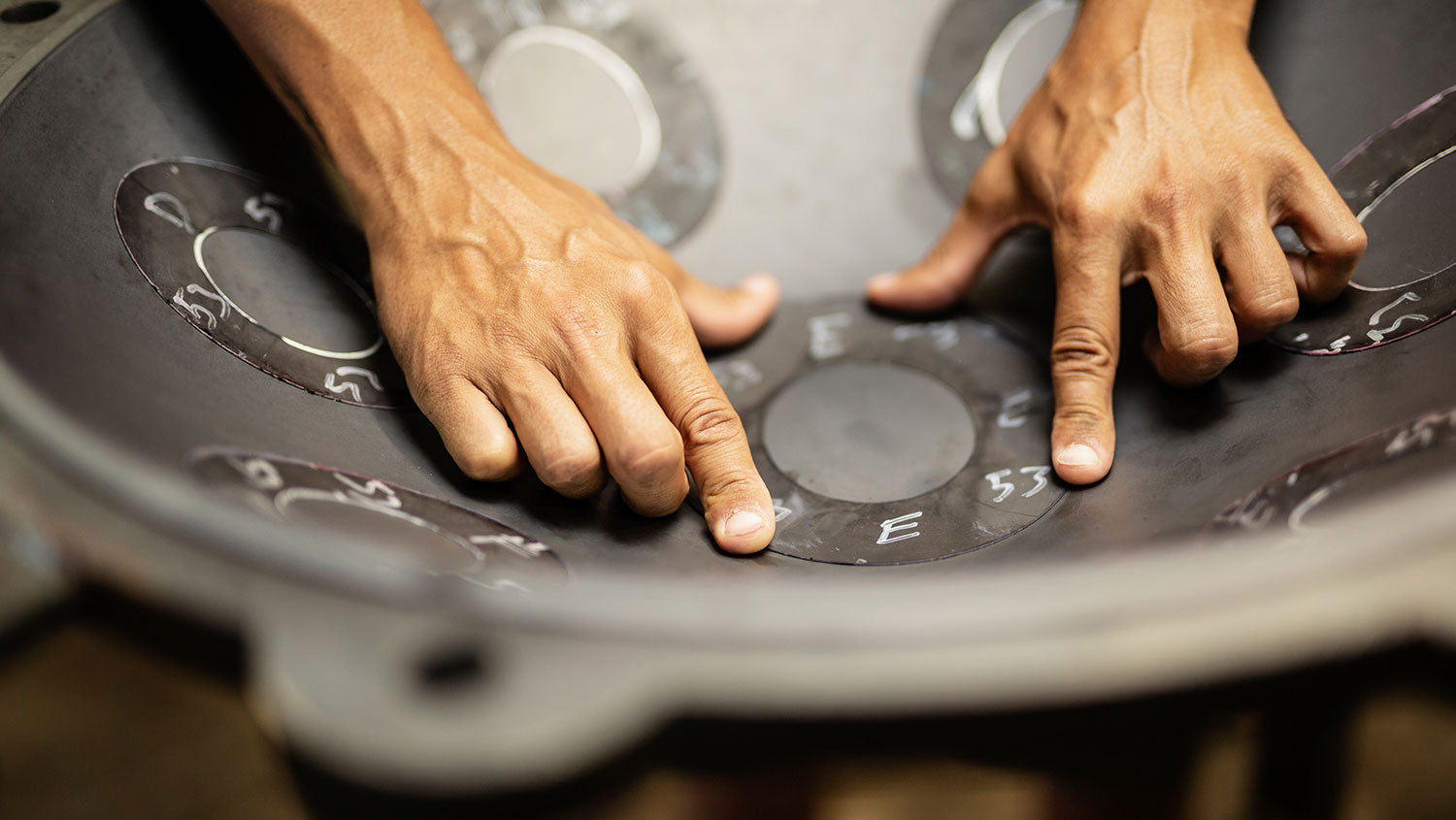
When evaluating handpan vs Hang®, the nuances in acoustics and manufacturing are where the instruments truly diverge. Both are handmade and require meticulous tuning, but the philosophies behind their creation differ significantly.
Sound quality of hang drums
The sound of the Hang® is often described as organic, "earthy," and intimate. PANArt focused heavily on the integration of the central "Ding" with the surrounding notes and the internal air resonance of the vessel (the "Gu" side).
- Harmonic balance: the Hang® typically features a very specific harmonic relationship between the notes, emphasizing a cohesive, singular voice rather than a wide range of disparate tones.
- Softness: because of the specific nitriding process and the gauge of steel used by PANArt, the Hang® often has a firmer attack, making it less responsive and requiring a heavier touch compared to stainless steel.
- Intimacy: it was designed for personal exploration and small, quiet settings, offering a sound that feels closer to the player.
The older generations of Hang® instruments are particularly known for their ceramic quality. The notes do not ring out with a long, metallic sustain; instead, they bloom and decay quickly, creating a soundscape that is often compared to a ceramic pot or a wooden flute in its purity. This appeals to a unique set of musicians who value subtlety over volume.
Handpan’s sound attributes
Because the handpan is a broad category, its sound profile varies wildly depending on the maker. However, there are general trends that distinguish modern handpans from the original Hang®.
- Musical range: while the original Hang® models had a limited number of notes (usually 8 or 9), modern handpans often feature 9 to 15 notes, and even up to more then 30 on mutant or bottom-notes models. This allows the artist to play with different handpan scales.
- Sustain and brilliance: many modern makers use stainless steel, which produces a much longer sustain and a brighter, more liquid sound compared to the drier, ceramic tone of the Hang®. Stainless steel is also much easier to play then nitrated steel.
- Volume and projection: handpans are often tuned to be louder and more percussive, making them better suited for busking, stage performances and recording in modern studios.
Craftsmanship and materials
The difference between handpan and hang drums is also found in the workshop.
The Hang® production by PANArt uses a proprietary, highly specialized nitriding process to harden the steel, giving the instrument its grey look and ceramic-like stiffness. The tuning is a deeply guarded artisanal process.
When it comes to handpans, modern makers use various steels, including nitrided steel, stainless steel and ember steel. Each material requires different tempering and hammering techniques.
Also, while the Hang® maintained a fairly consistent shape, handpans come in various diameters to accommodate different scales and frequency ranges.
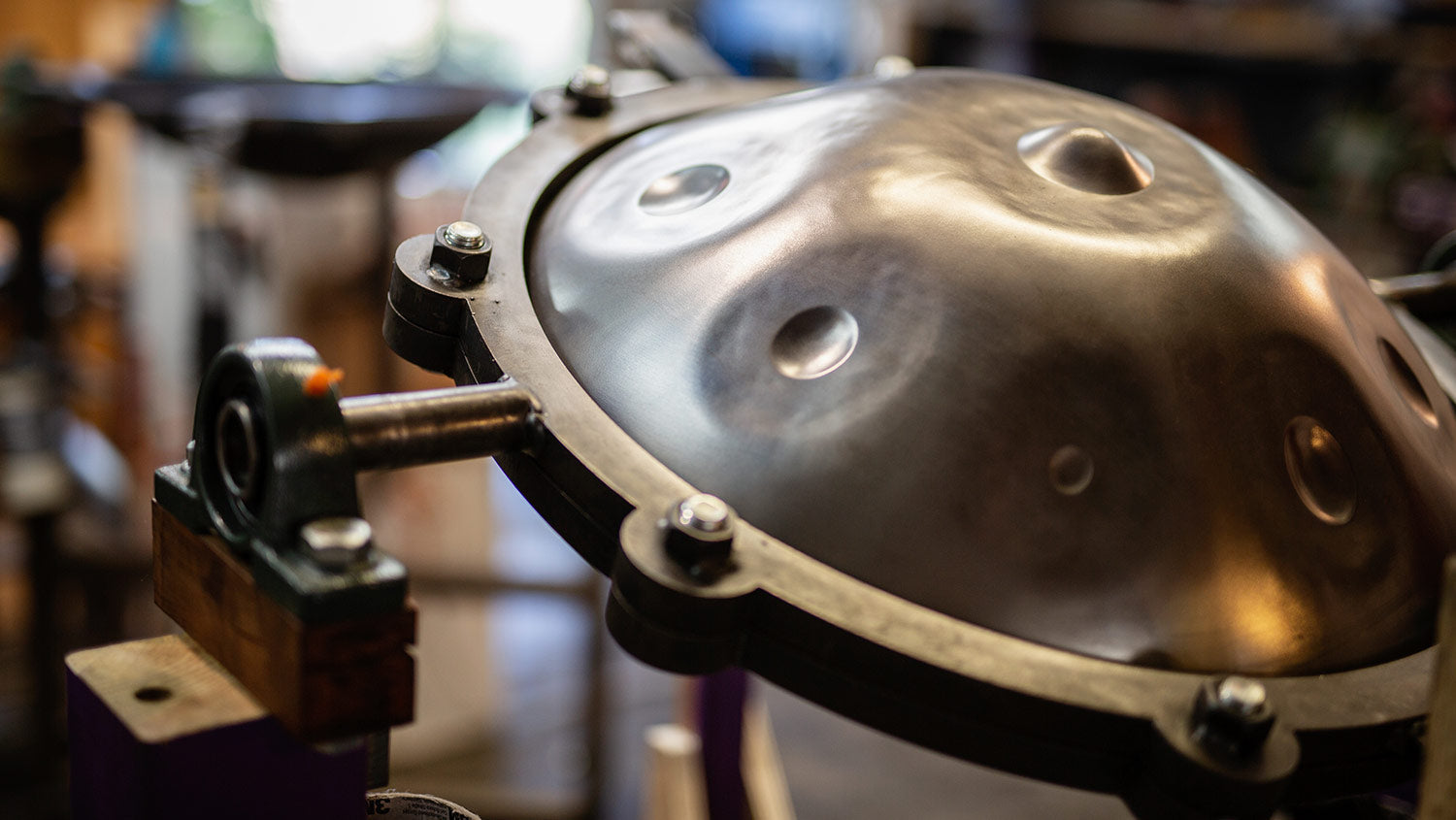
More in general, the tuning of a handpan is an arduous task. A maker must manage the fundamental, the octave, and the compound fifth for every single note on the instrument. While PANArt pioneered these techniques, modern handpan makers have pushed the boundaries of metallurgy, using ovens and chemical treatments to ensure that the instruments stay in tune for years, even in varying climates.
Availability and cost differences
If you’re looking to purchase, the difference between handpan and a Hang® becomes very practical:
- Availability: PANArt is now focusing on new inventions like the Hang® Bal and Gubal. Consequently, the production of original Hangs® has slowed a bit, opening to second-hand market.
- Handpan access: handpans are readily available from hundred of makers and specialized shops like us - the difference is made by the quality of the product and the related services. You can choose your preferred scale, material and number of notes.
- Pricing: on the second-hand market, an original Hang® can cost anywhere from 2,000 € to 10,000 € - depending on its conditions. On the other hand, a high-quality handpan typically ranges from 900 € to 5,000 €.
As you can see, the cost difference is driven by rarity:
- a Hang® is essentially an antique or a collector's item.
- a handpan is a modern, performance-ready musical instrument.
Furthermore, because PANArt required potential buyers to visit Switzerland in person for many years, the "provenance" of a Hang® adds to its market value.
Choosing the right instrument for you
Deciding between a handpan and a Hang® depends on your goals as a musician.
Emotional and artistic factors
If you are drawn to the history of the instrument and want to own a piece of musical heritage, the Hang® is incomparable. Playing a Hang® is often described as a more "internal" experience. The shorter sustain allows for rhythmic clarity that is perfect for meditation where you want to hear every individual strike clearly without the sound becoming "cloudy".
However, if you are looking for an instrument to express a wide range of emotions—from dark, brooding minor scales to bright, uplifting major scales - the modern handpan offers far more variety. The sheer number of available scales (D Kurd Minor, Celtic Minor, Hijaz, etc.) means you can find a handpan that perfectly matches your artistic voice.
Practical and performance factors
For professional performers, the handpan is usually the better choice. Modern handpans are often more stable in different temperatures and can be heard more easily in a mix with other instruments. Additionally, if you damage a handpan, it is much easier to find a local tuner to fix it. Fixing a vintage Hang® requires a specialist who understands the specific metallurgy used by PANArt over a decade ago.
Budget constraints
For most beginners, the choice is made by the budget. A 1,400 € handpan from a reputable maker will sound significantly better and be easier to play than a "cheap" second-hand Hang® that might have lost its tuning over time.
Final comparison table
To help you decide, here is a summary of the key differences:
| Feature | Hang® | Handpan |
| Origin | PANArt | Various makers |
| Status | Discontinued / Collectible | Active production |
| Common Material | Nitrided Steel | Stainless, Nitrided, Ember Steel |
| Note Range | Typically 7-9 notes | 8-21+ notes |
| Sound Profile | Earthy, ceramic, intimate | Bright, resonant, versatile |
| Ease of Purchase | Very difficult (Second-hand only) | Accessible (Custom or Stock) |
| Typical Cost | 2,000 € – 10,000 € | 900 € – 5,000 € |
Understading the difference between handpan and hang drums allows you to appreciate the history while making a choice that fits your modern musical needs.
If you’re looking for a handpan, you can find all our products here.
Still having doubts? Contact us!

About the author

Founder of Sound-Sculpture & handpan expert
Related articles
Handpan tuning: how does it work?
Discover how a handpan is tuned: expert techniques, high quality tools and all you need to understand how your instrument has been built or can be restored!

Handpan musicians: 10 artists redefining the instrument
Discover 10 handpan musicians pushing the boundaries of this remarkable instrument, from viral pioneers to UK street performers shaping the modern scene!
Letter notation vs Solfege: a guide for the modern music
Confused by Do-Re-Mi vs A-B-C? Discover the differences between solfege and letters, their history, and why handpan players prefer one over the other.
Major scale vs minor scale: the complete beginner's guide
A guide for beginners on major scale vs minor scale: learn how their patterns work and which one suits your handpan playing style.