
Filters
90 products
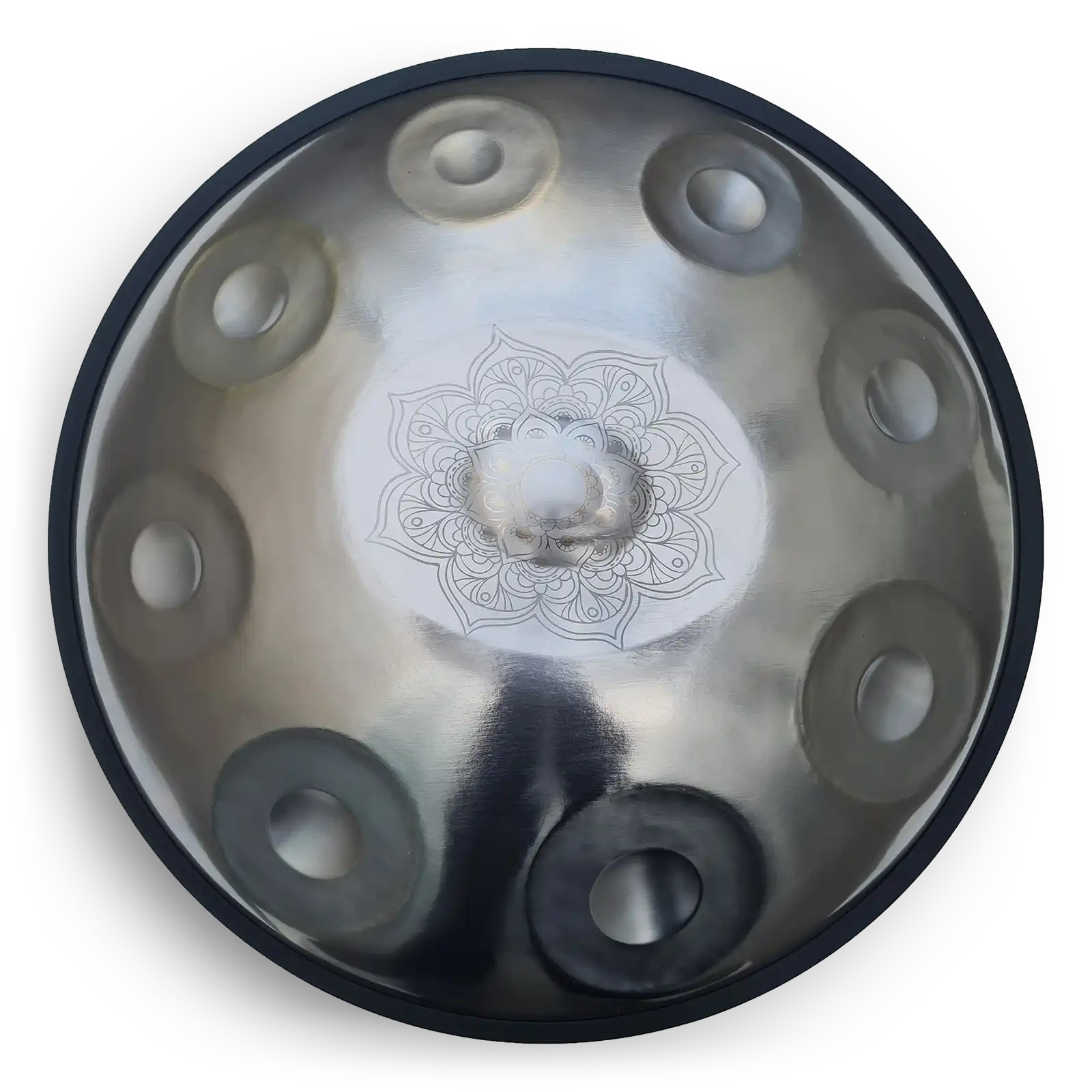
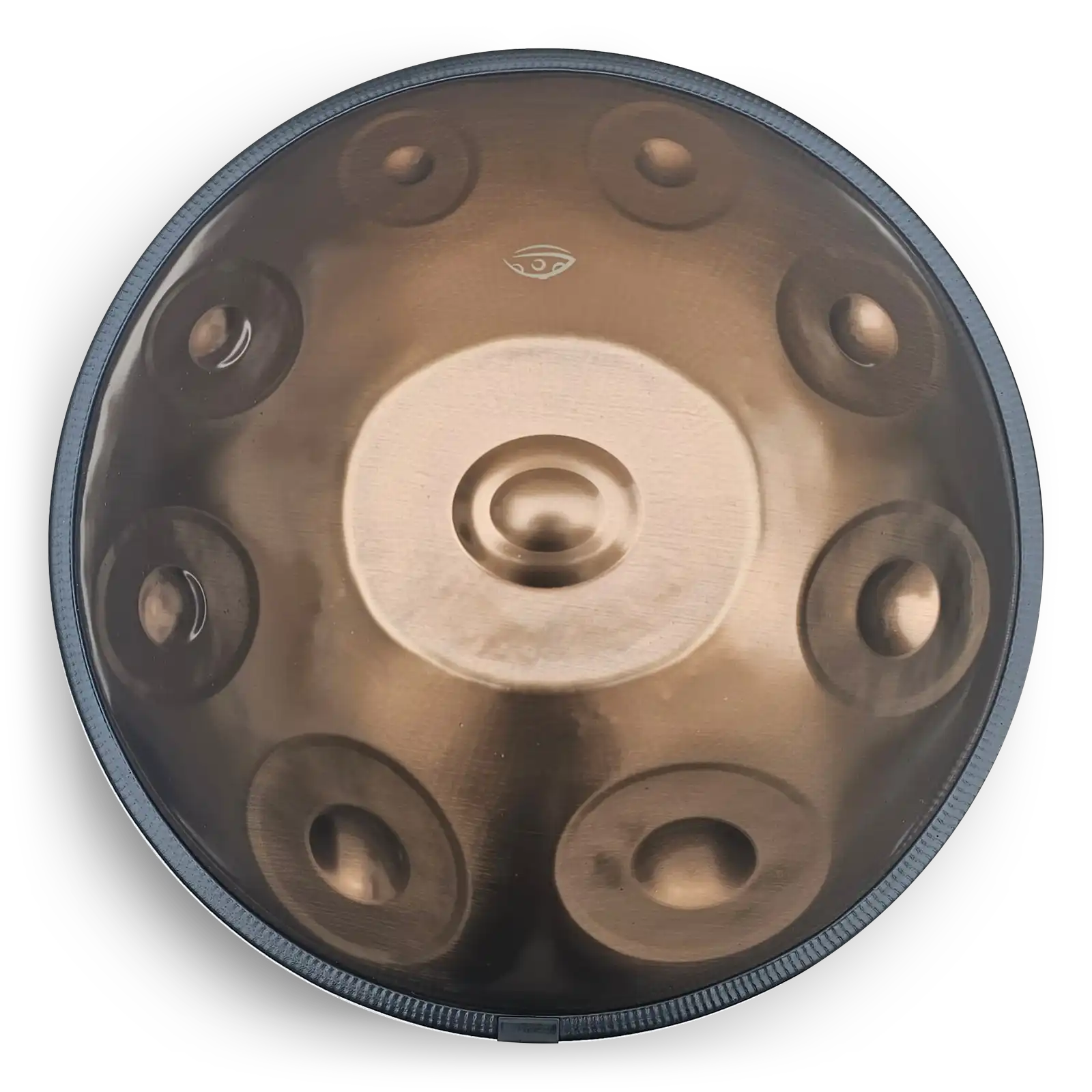
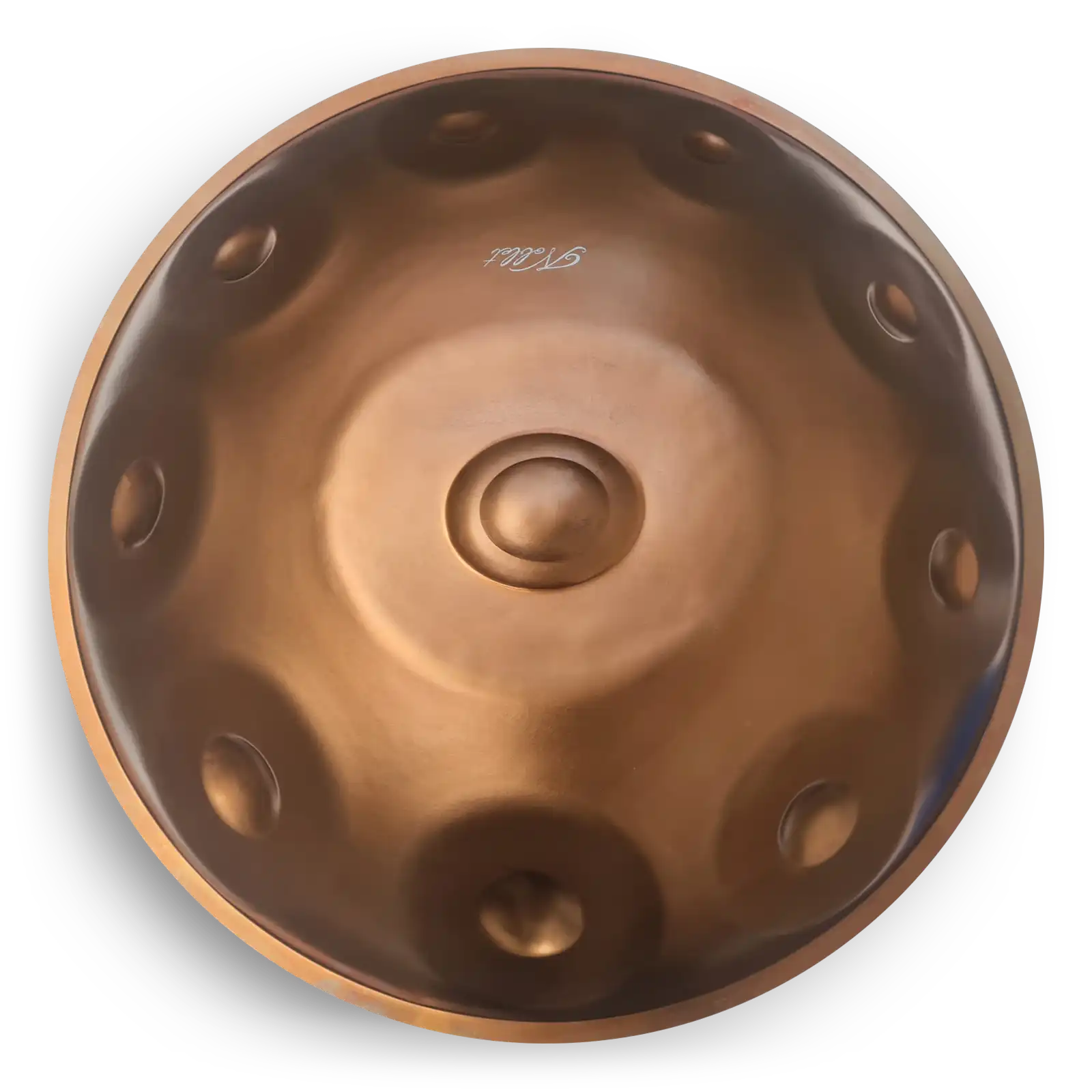
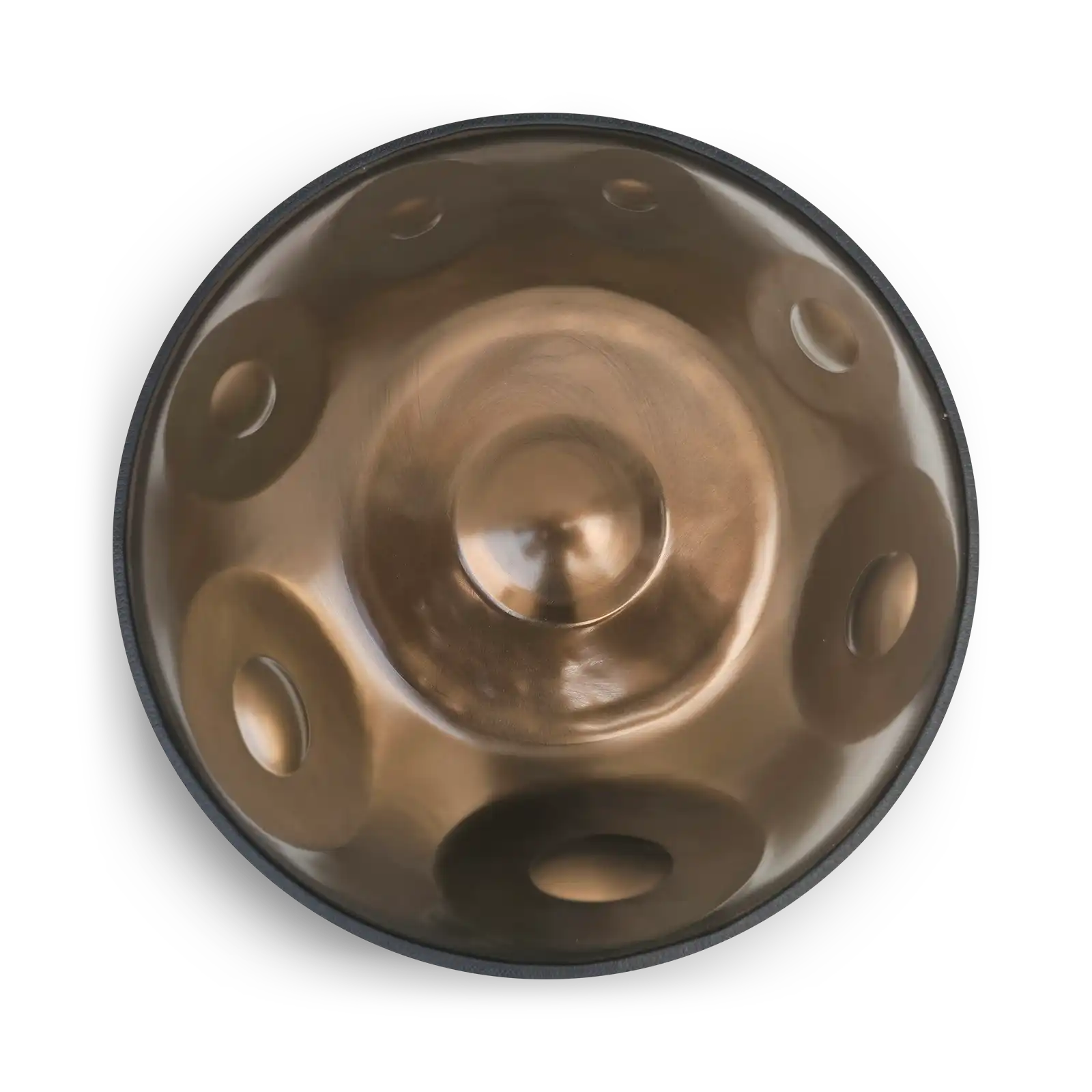
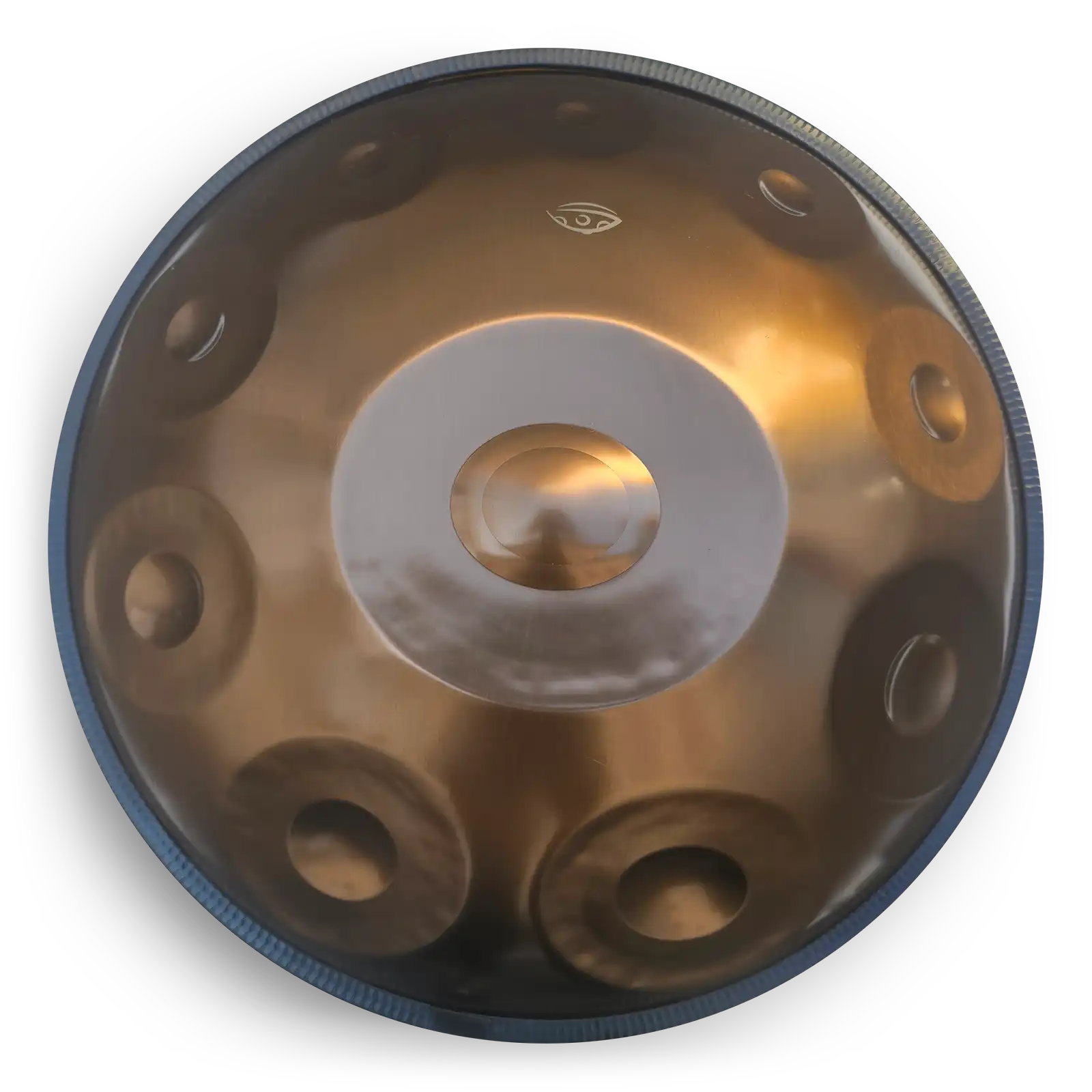
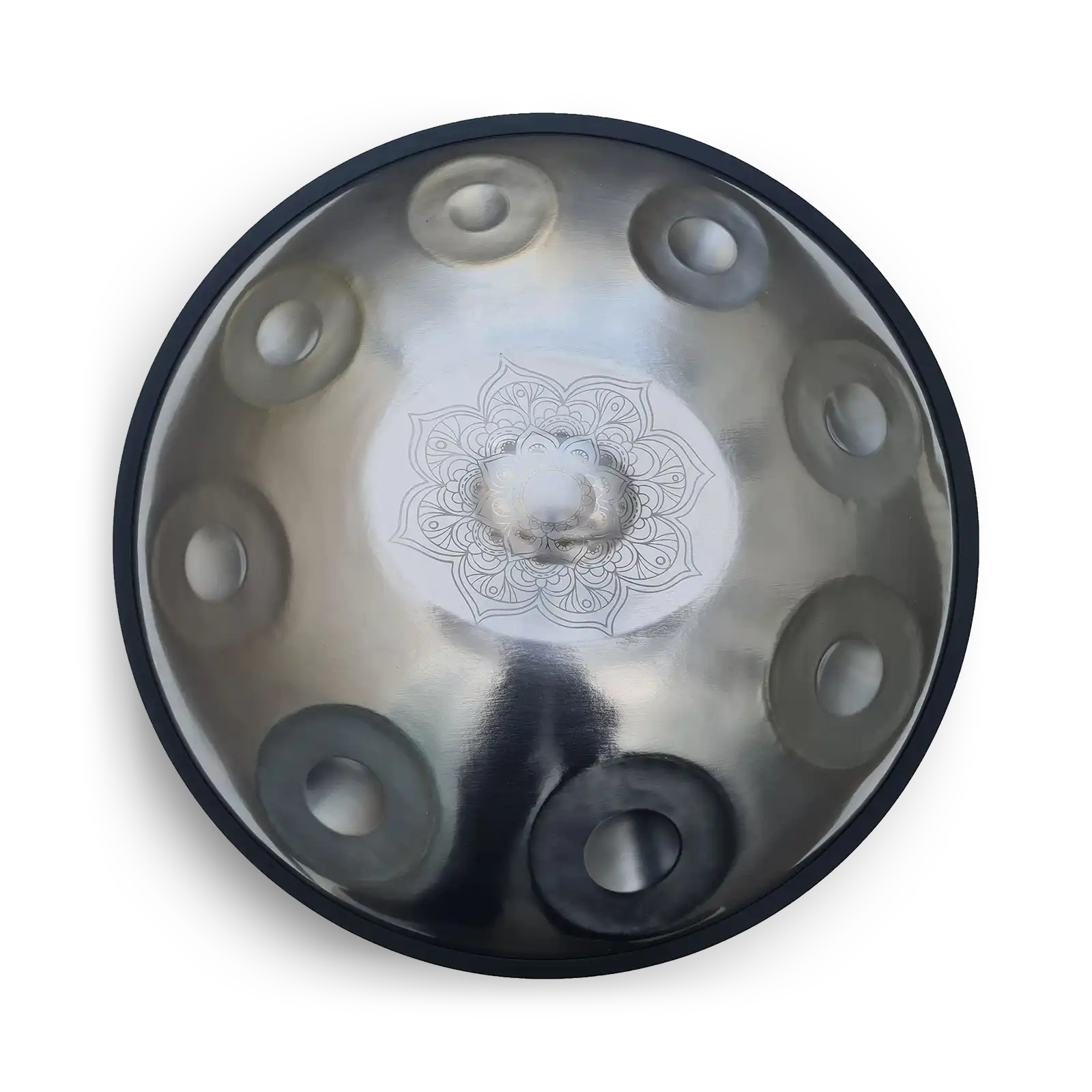
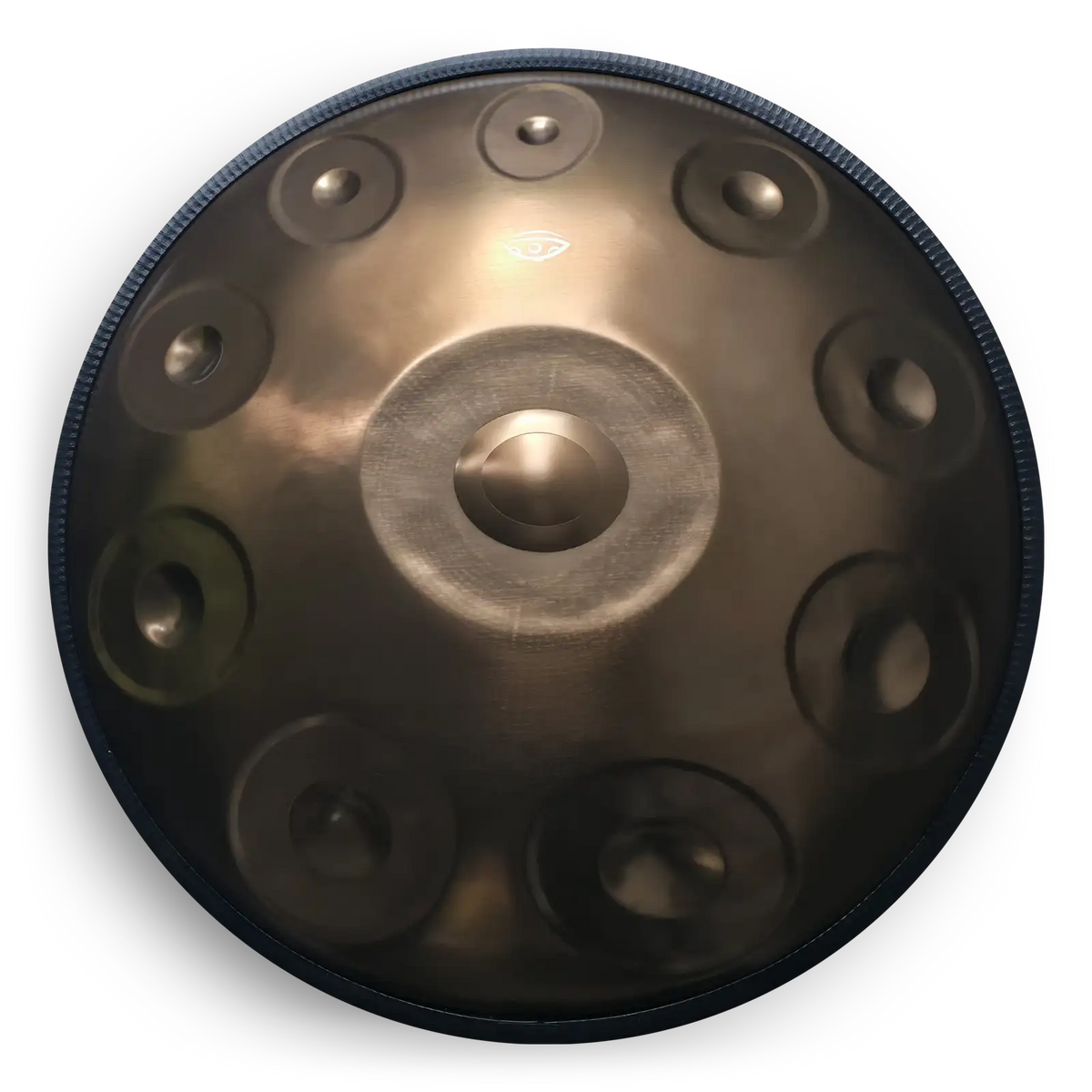
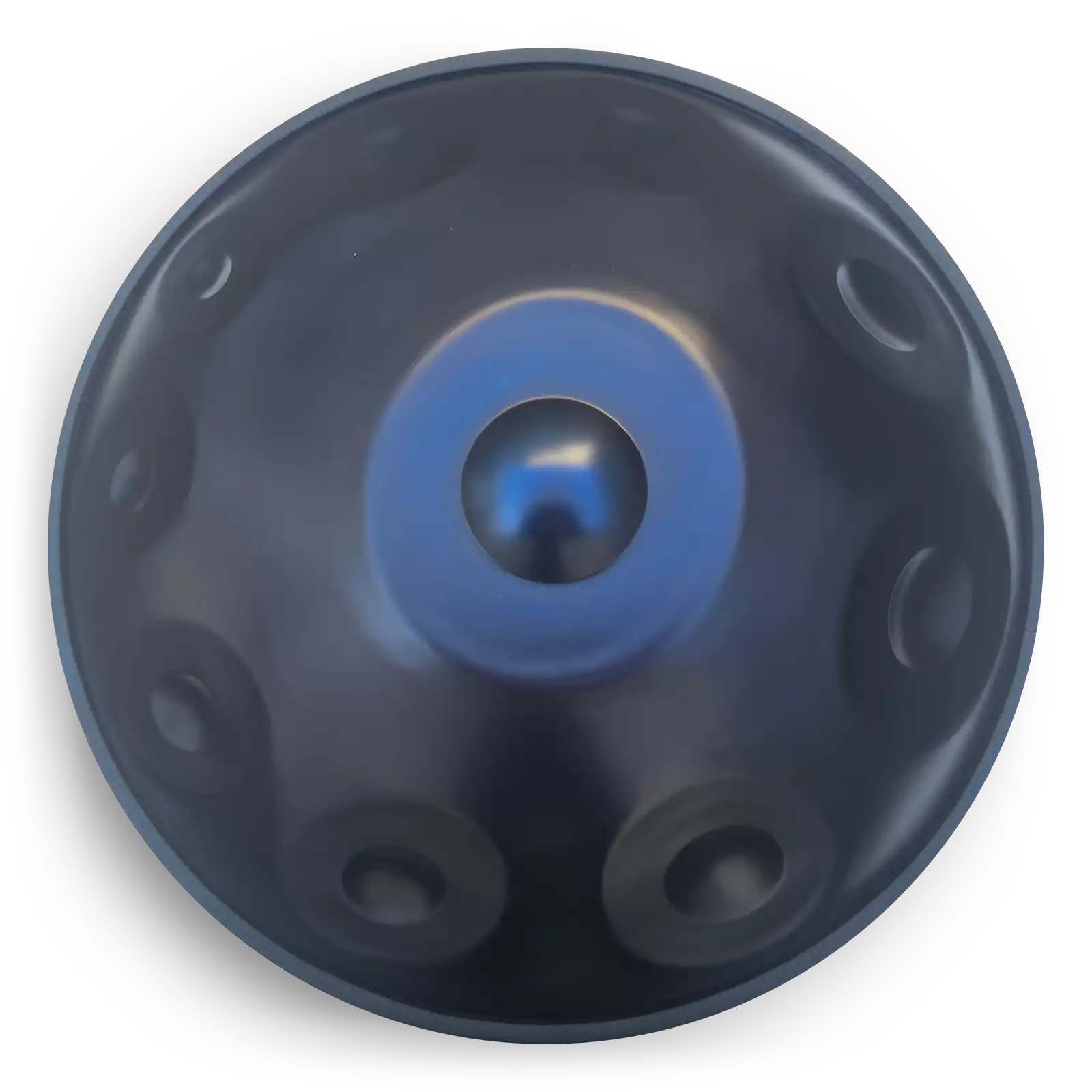
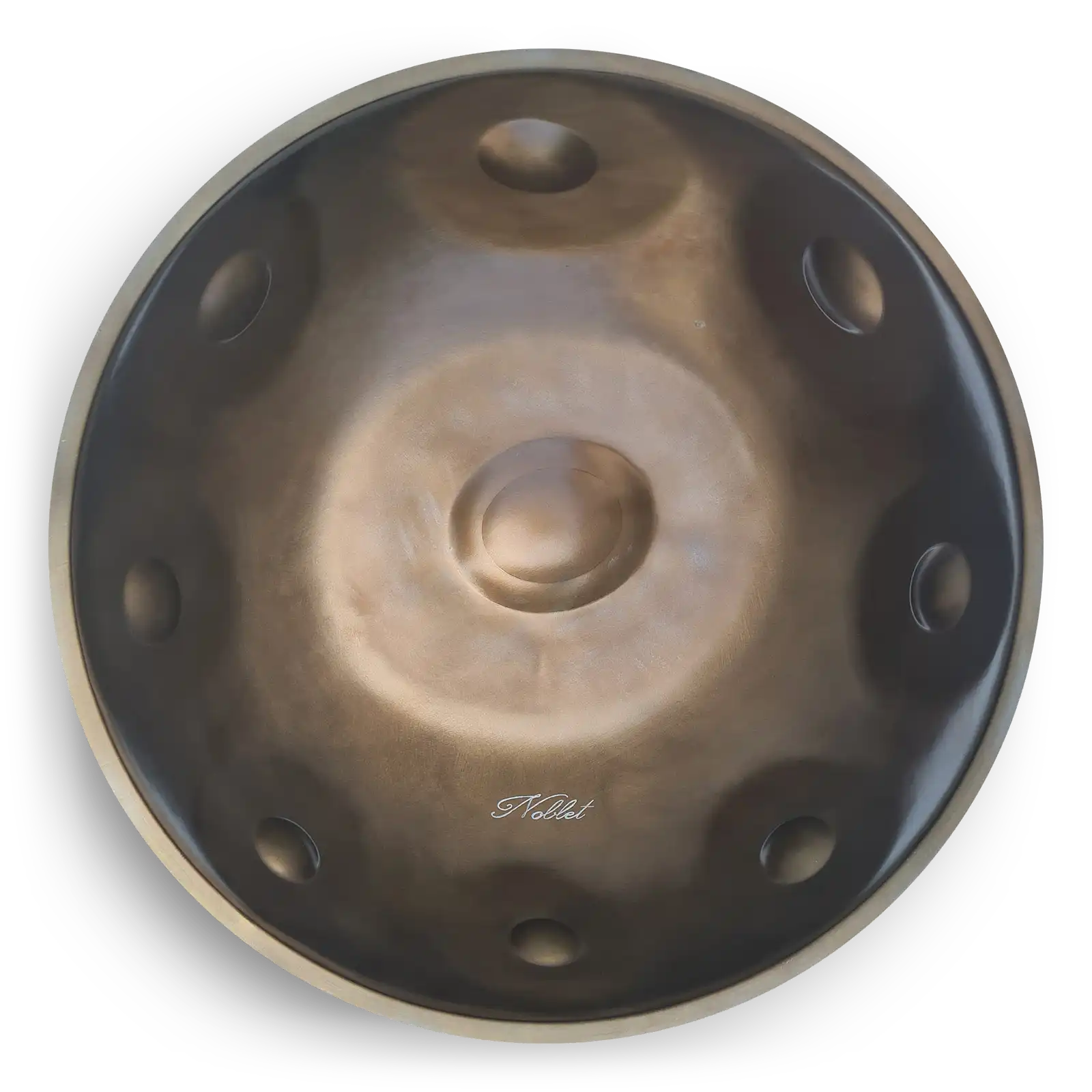

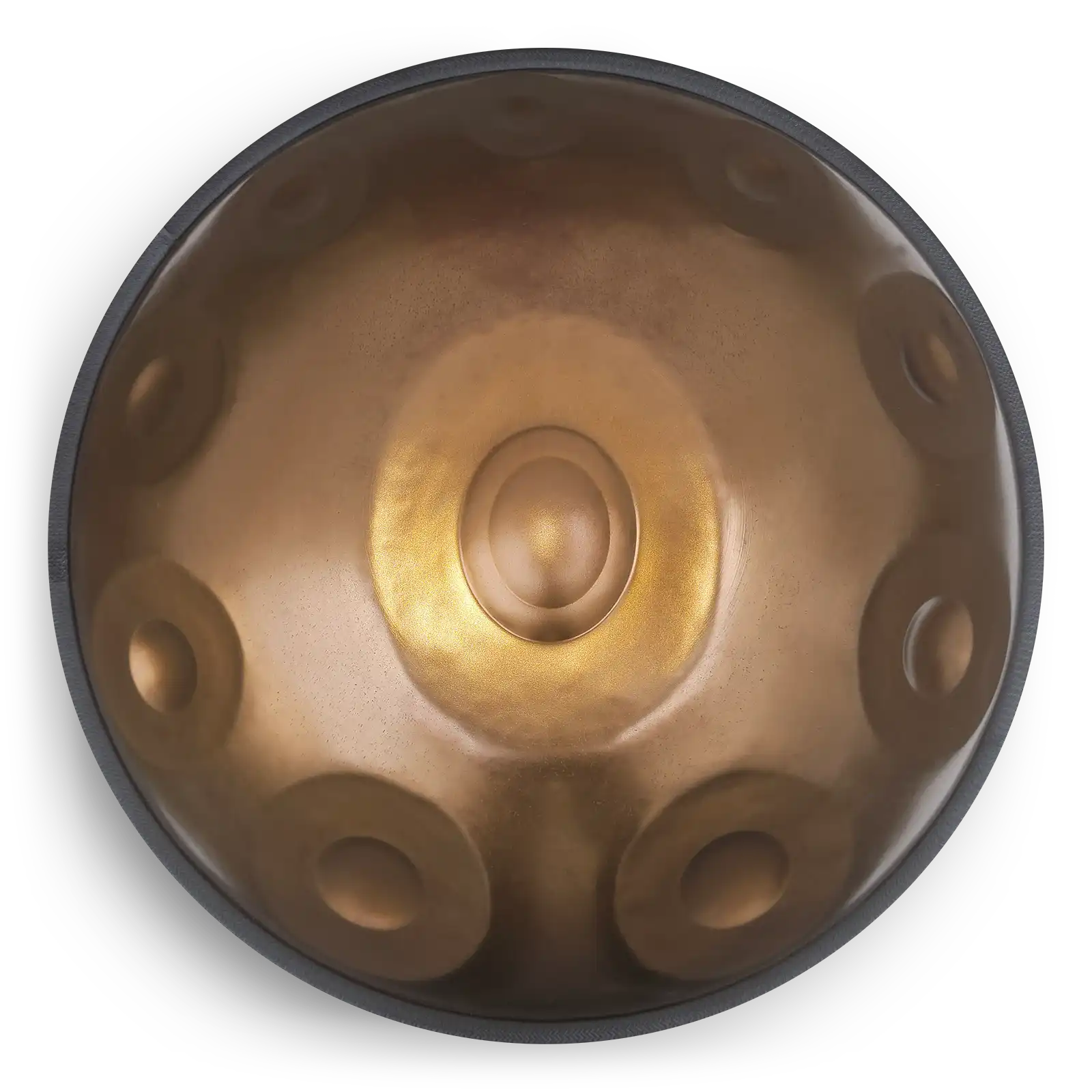
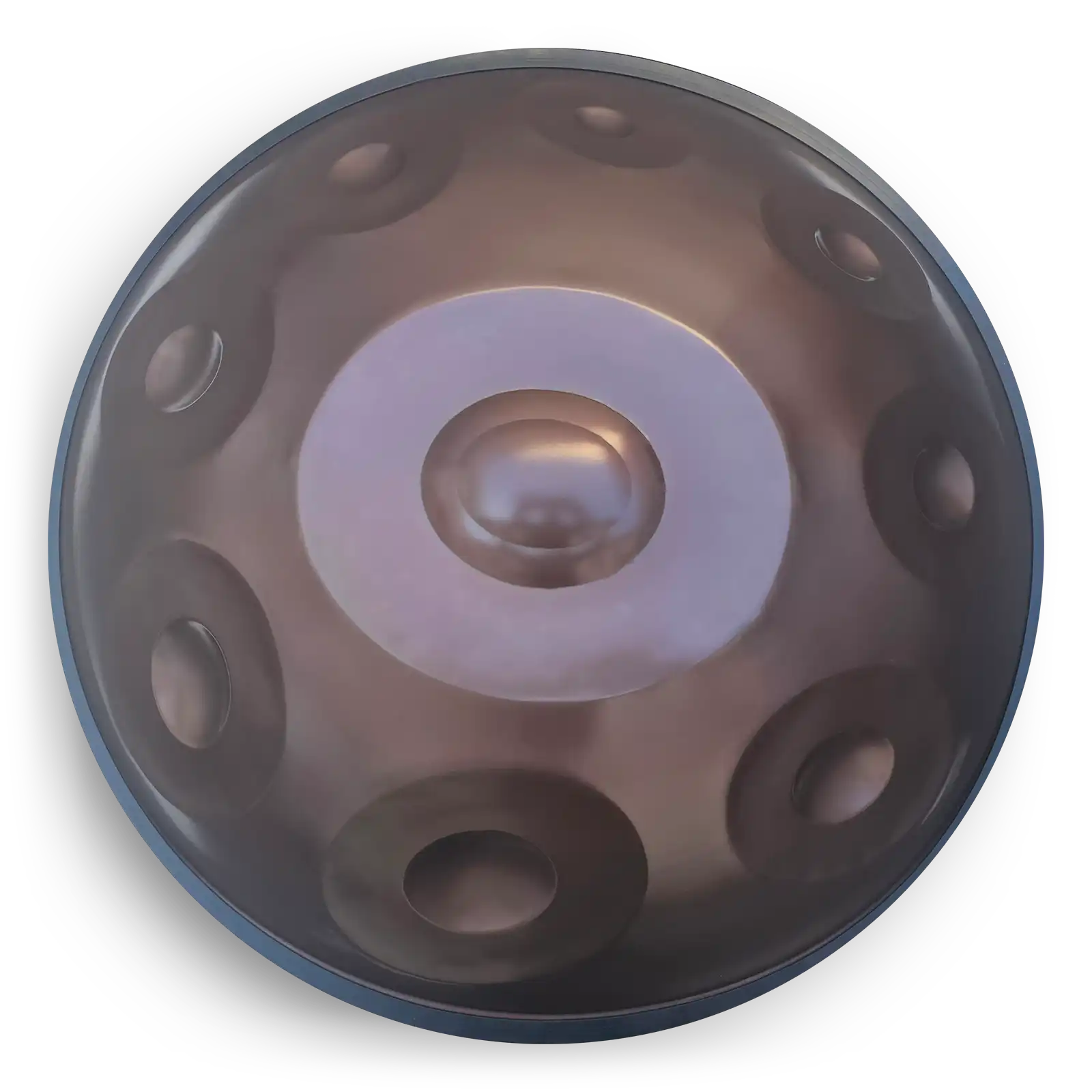
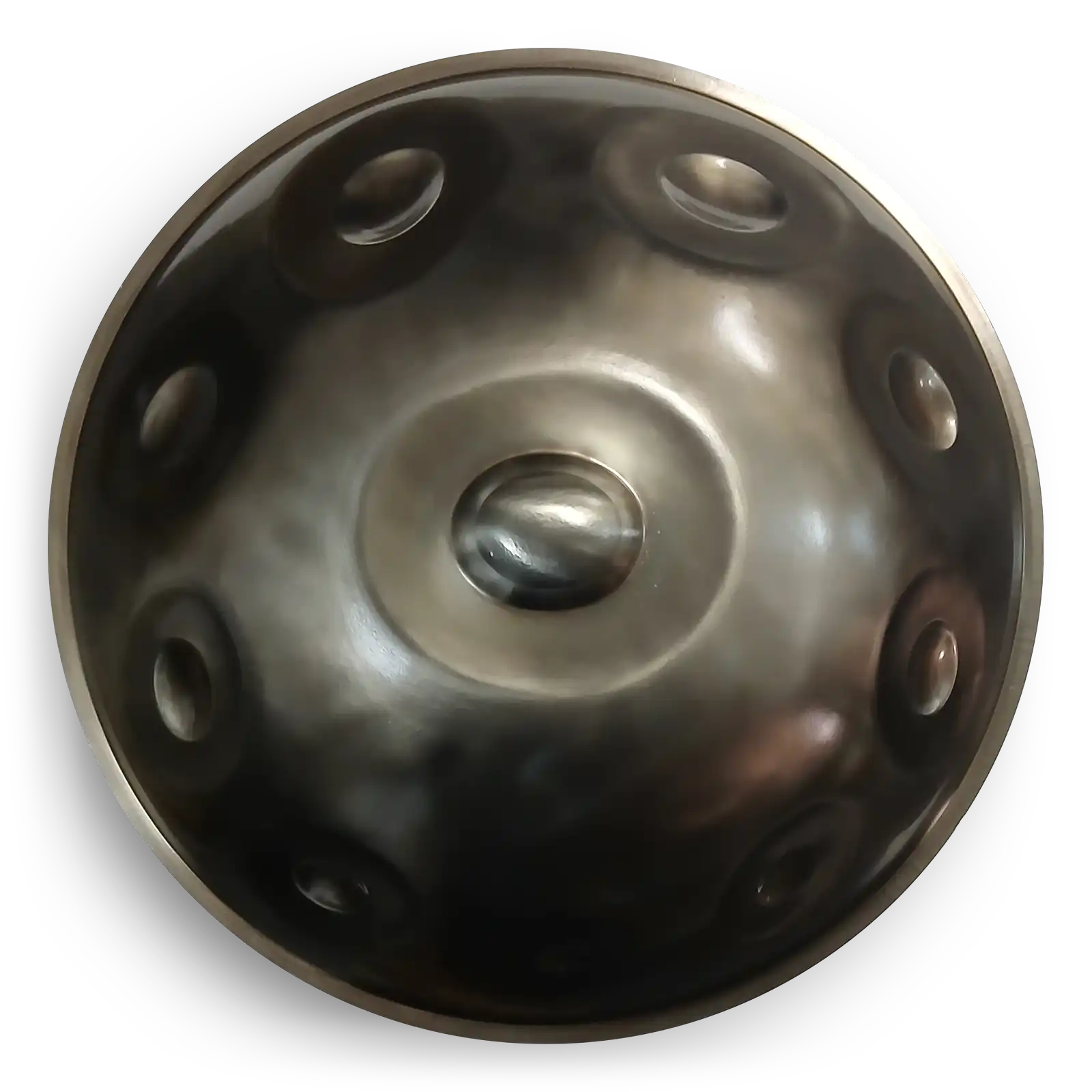
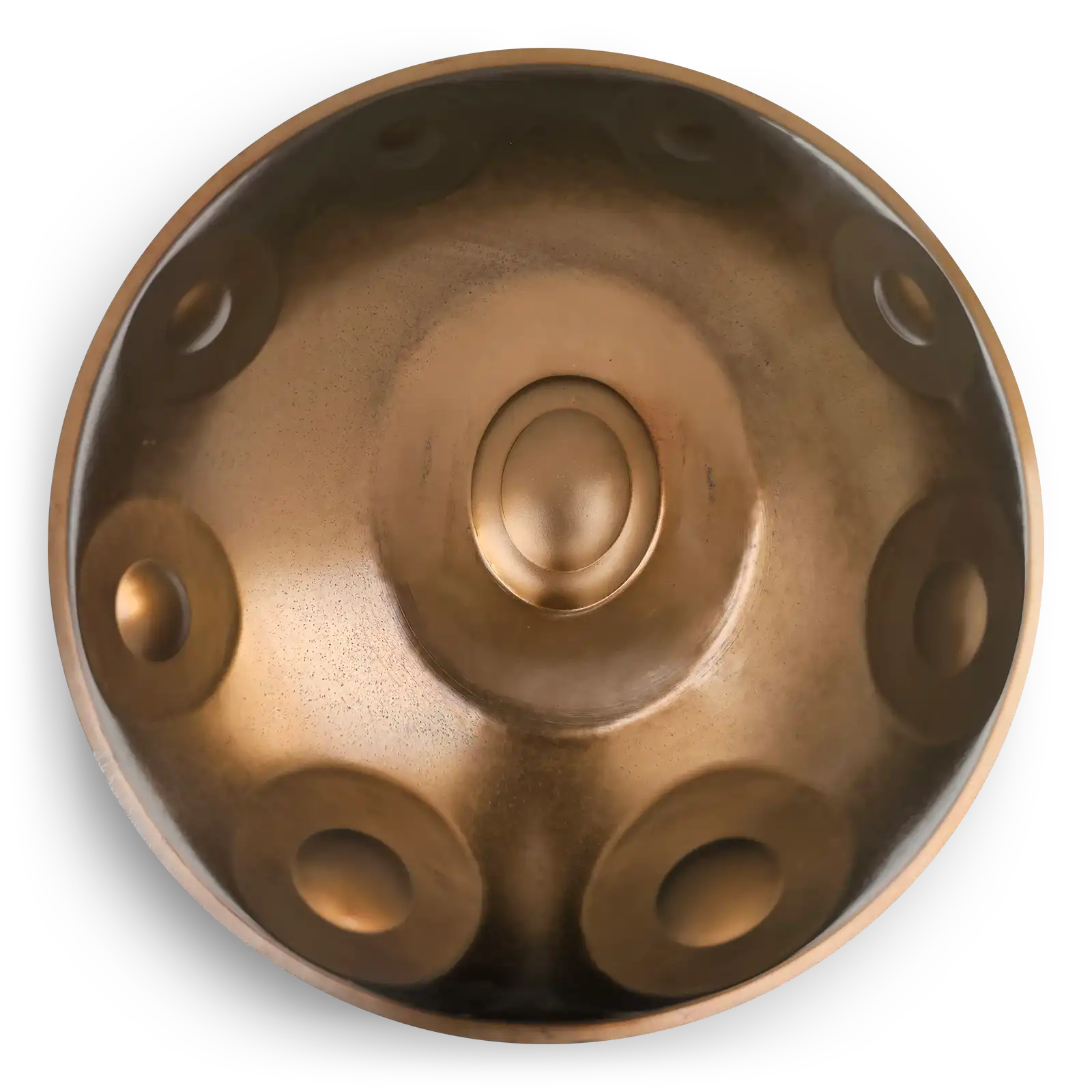
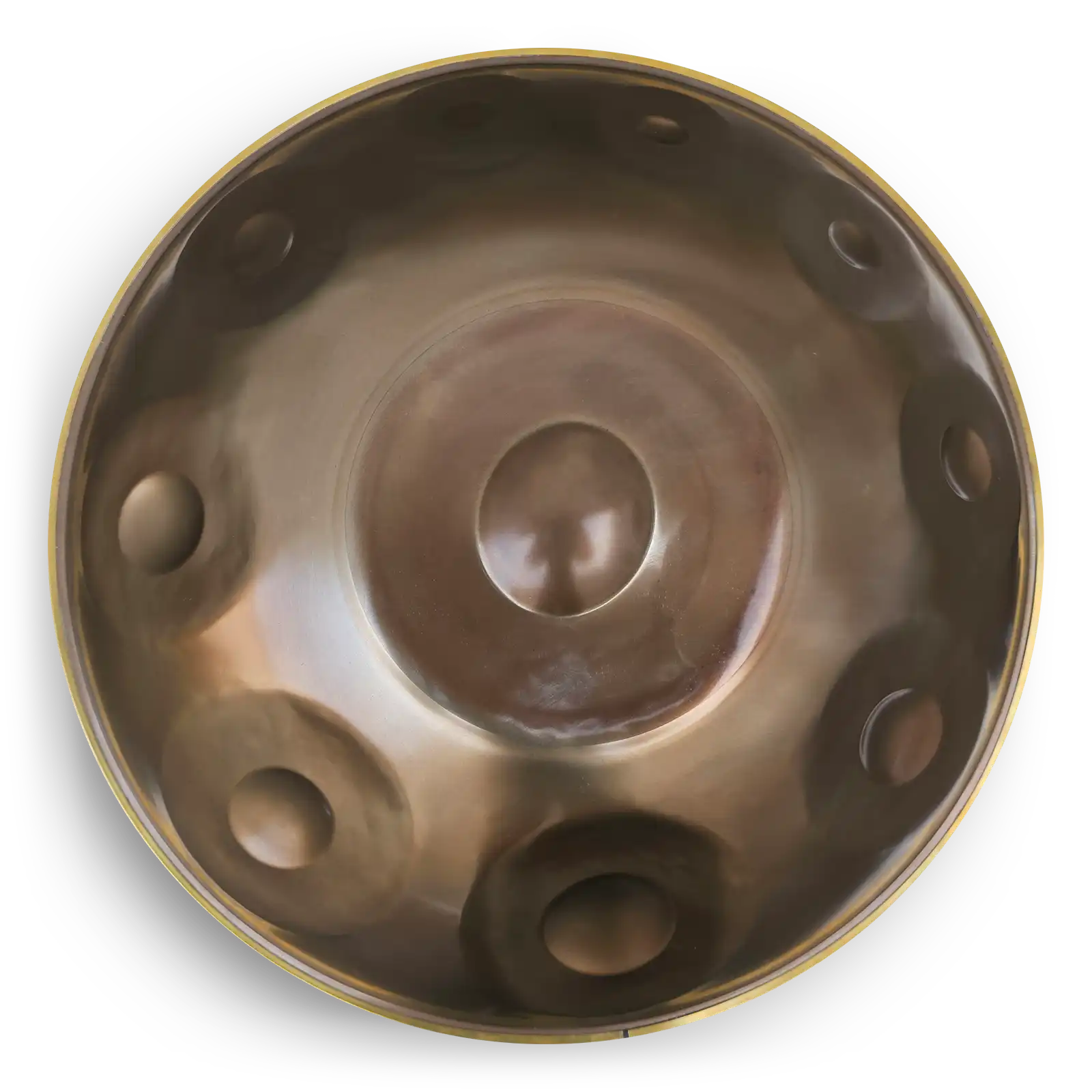
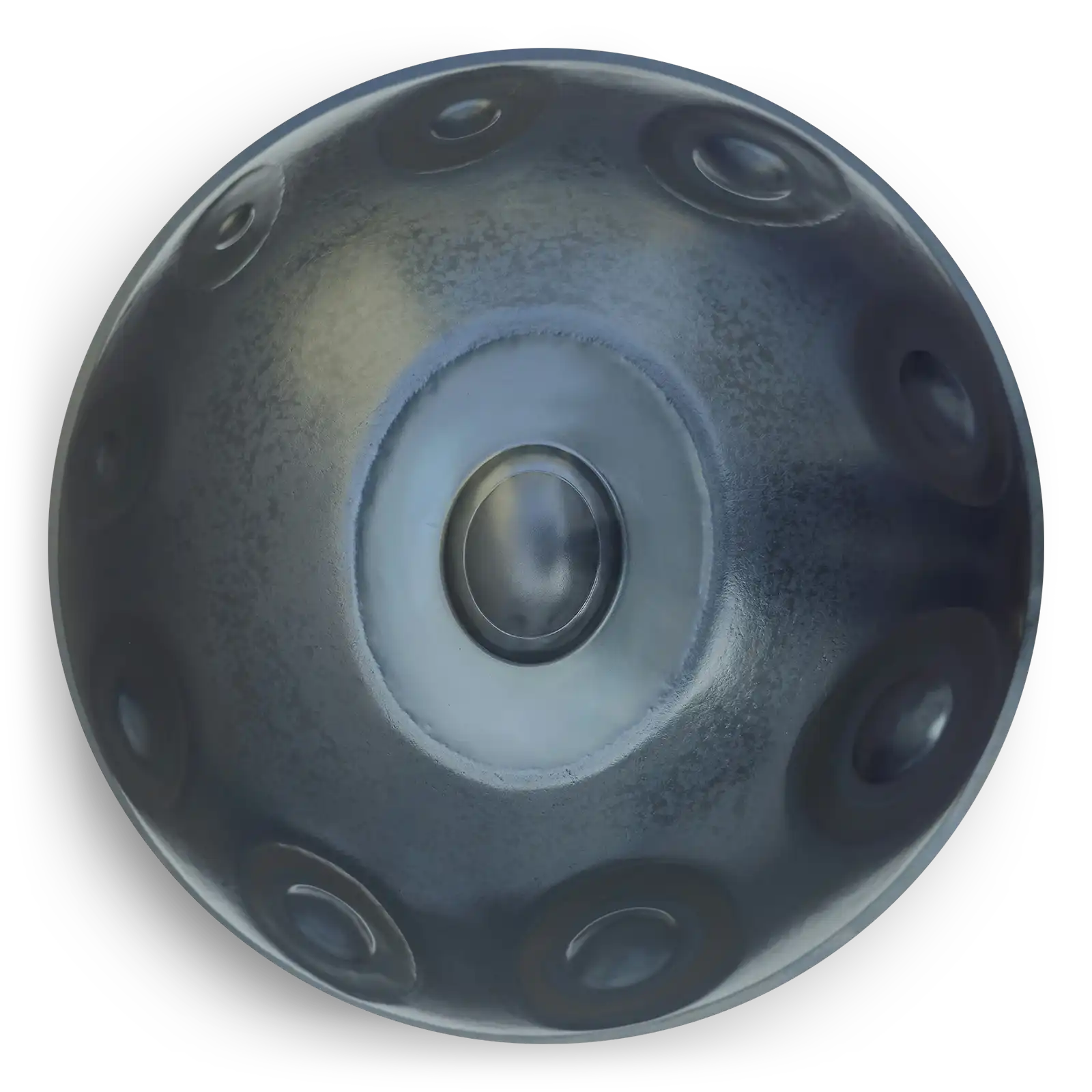
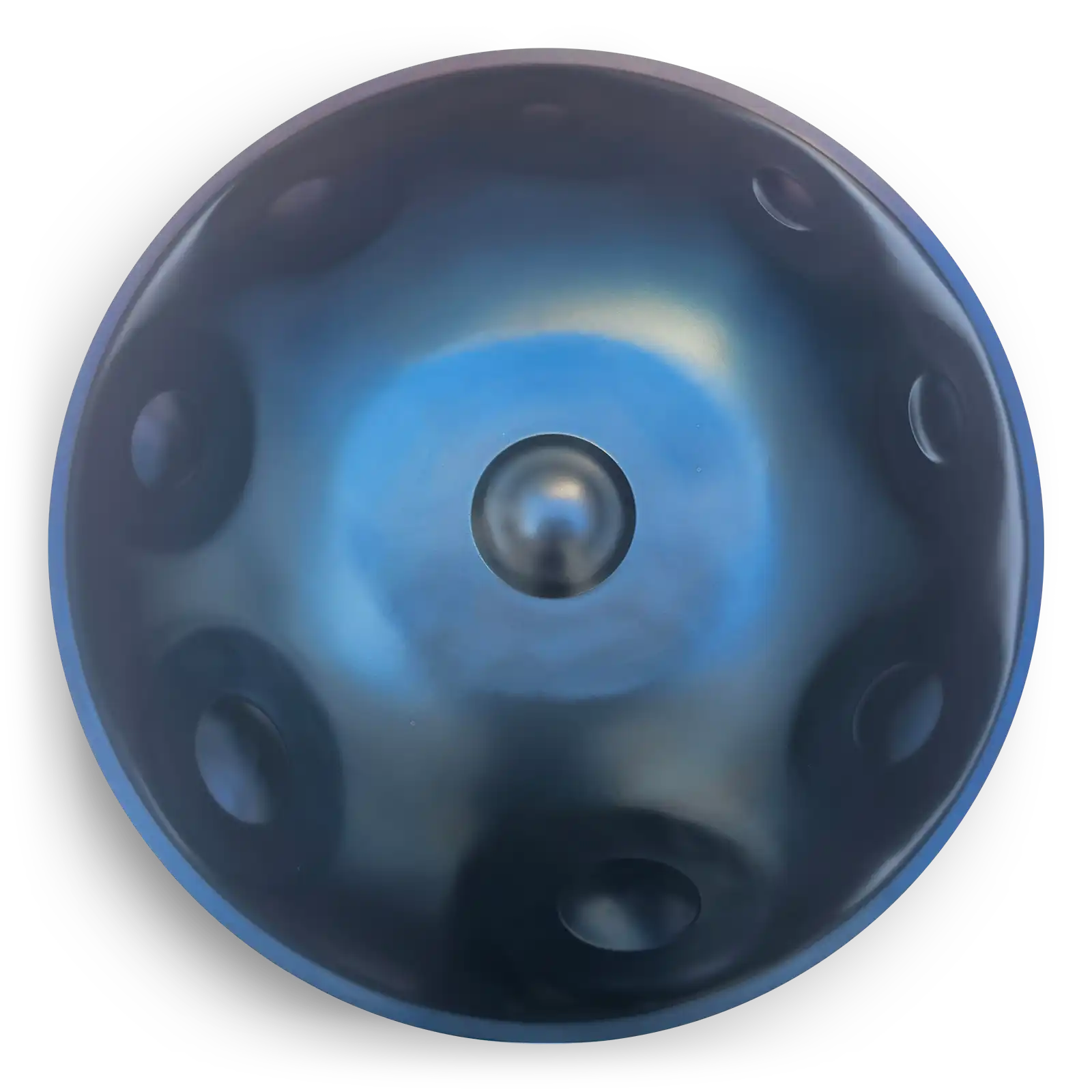
Why the handpan is perfect for beginners
The handpan – it's ideal for a beginner who wants to learn music. Its notes harmonize naturally with each other. No problems with wrong notes or inconsistencies! That's why it attracts so many novices with no musical experience. A gentle tap on the handpan's surface is all it takes to instantly create a pleasant and captivating melody. The approach is both spontaneous and playful.
No musical training is necessary to get started. The handpan is an instrument played by ear. You simply have to let yourself be guided by your inspiration and emotions. The intuitive nature of this instrument allows you to quickly create an acoustic world without any knowledge of music theory or scales.
More than just a musical instrument, the handpan is also a tool for well-being. The instrument's deep resonances create a relaxing and meditative atmosphere. Playing the handpan is a true moment of introspection. You release daily stress while giving free rein to your creativity.
A limited number of notes allows you to feel comfortable more quickly. That's why beginner handpans have 9 or 10 notes. They offer both ease of learning and broad creative potential.
The handpan with 9 notes
The 9-note handpan is the perfect instrument for beginners to get started easily. With fewer notes, it offers a more intuitive and direct approach to music: each sound is clear and easy to master, allowing you to focus on rhythm and expression rather than complexity.
This relative limitation fosters creativity: you learn to fully exploit each note and compose harmonious melodies even with a limited number of sounds. The D-Minor scale, for example, produces soft and balanced tones, ideal for soothing and immersive sessions.
The handpan with 10 notes
The 9-note handpan is an excellent choice for beginners ready to explore a bit more musical complexity. With one extra note compared to the 9-note version, it allows for the creation of more varied melodies and the experimentation with new harmonies without becoming intimidating.
The D-Kurd Minor scale is particularly popular among 10-note models. Its balanced tones offer a clear and pleasant sound, neither too sad nor too bright, and allow for easy transitions between notes for smooth playing.
Not sure how to choose your handpan as a beginner? Don't worry, we'll walk you through the main criteria to consider. A simple method for selecting your first handpan.
Choose the range that matches your world
The D-Minor scales Kurd and Celtic Minor (also known as Amara), are particularly well-suited to beginner musicians. With their distinct acoustic characteristics, your choice will depend on your musical tastes.
D-Kurd Minor: This is a range that is very popular with beginners, with soft and deep sounds, often contemplative, nostalgic or melancholic, ideal for creating a soothing atmosphere. Nearly all offline-and online courses are played on the D-Kurd Minor scale.
D-Celtic Minor / Amara: The sounds are luminous and captivating, perfect for mystical, meditative and emotionally rich atmospheres.
Understanding the difference between 432 Hz and 440 Hz
The hertz indicates the frequency of vibration of a sound. The higher the pitch of a sound, the higher the frequency. The distinction between a handpan tuned to 440 Hz and a handpan tuned to 432 Hz resides first and foremost in their sound.
The 440 Hz frequency is the international standard to which most instruments are tuned. To play in harmony with others, all instruments must have the same frequency. A handpan tuned to 440 Hz therefore allows you to play more easily in a group. Handpans tuned to 432 Hz, on the other hand, are preferred for solo playing, particularly for meditation.
Quality and manufacturing
When choosing your beginner handpan, consider the reputation of the manufacturer. An instrument crafted with precision by renowned manufacturers ensures pure and accurate notes.
Also consider the type of metal used. The material directly influences the sound. Stainless steel produces clear sounds, nitrided steel deep tones and Ember Steel offers rather warm and mellow sounds. Stainless steel and Ember Steel has a longer sustain than nitrated steel and is easier to play.
Still not sure about your choice? Choose to rent a handpan before you decide! It's a reassuring alternative for beginners who are still hesitant. Renting gives you the opportunity to get hands-on with the instrument and explore it before committing.
At Sound-Sculpture, we understand the importance of choosing the right instrument to get started. That's why, for a renewable period of 15 or 30 days, we offer you handpan rentals for beginners.
Trying before you buy means:
- To allow you to discover your affinity with the instrument,
- To accurately perceive the sounds,
- Identify the range that suits you.
Several simple steps will help you get to grips with your beginner's handpan:
- Start by getting comfortable. Opt for a seated position with relaxed hands. Choose a quiet place that promotes concentration.
- Create a routine. Set aside specific practice times and be consistent. Daily practice ensures the natural assimilation of sounds. Regularity is what will allow you to progress quickly.
- Finally, listen to other handpan players and watch videos. Learning an instrument involves imitation. It's also an opportunity to discover various playing techniques.
At Sound-Sculpture we have specialized in handpans since 2016. Thanks to our expertise, we offer pre-tested and reliable handpan models for beginners. Our know-how supports you throughout your musical journey with quality after-sales service.
We carefully select each handpan from internationally renowned manufacturers. We focus on tuning stability, sound clarity, and the overall harmony of the instrument. Browse our catalog of handpans for beginners and find the one that's right for you!
When you rent or purchase a handpan from us, we will also give you access to an extensive online course to help you begin your musical journey with the handpan.
FAQ: Beginner handpan
Consider a 9 or 10 note handpan. The D-Kurd Minor scale is ideal for beginners: it's simple to play and offers sufficient musical versatility.
No, it's not difficult to learn to play the handpan. On the contrary, it's an intuitive instrument that encourages improvisation. It requires no musical training.
The price varies on average between 900 € and 2,000 € for quality instruments. This variation is partly explained by the material used, the manufacturing process and the country it is produced in.
A beginner's handpan offers long sustain, clear notes and a simple scale like D-Kurd Minor or D-Celtic Minor.
These features facilitate learning and allow you to easily play melodies from the very first sessions.